
18 05, 2026

Why Hard Alloy Aluminum Extrusions Are Critical for Large Aerospace Structures
2026-05-18T23:32:08+00:00May 18th, 2026|

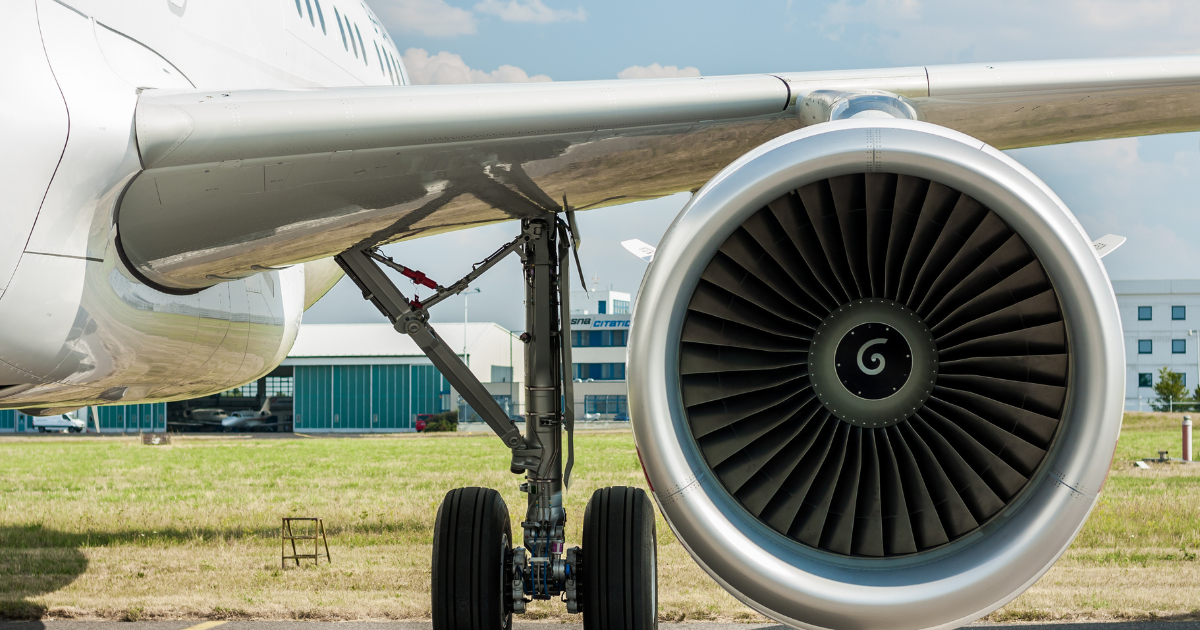
Detailed close-up of a jet engine turbine which highlights the complex engineering applications of hard alloy aluminum extrusions in aviation.

Key Takeaways:

  • Aircraft structures must withstand extreme stress, fatigue, and long service lifecycles while maintaining tight tolerances, making material selection a critical engineering challenge.
  • Large, monolithic extrusions reduce the need for fasteners, lowering weight and minimizing fatigue failure points in high-load aerospace applications.
  • Process control determines long-term reliability. Consistent billet quality, controlled extrusion parameters, and proper grain direction are essential to achieving predictable performance in flight-critical components.

Hard alloy aluminum extrusions play a critical role in modern aerospace engineering. As aircraft platforms scale up, weight must be reduced while structural integrity is maintained. Tolerances are required to remain tight across long spans and thick cross-sections. Moreover, every component must meet strict fatigue-life and certification standards. As a result, the industry has shifted from small, fastened assemblies to large, integrated aerospace profiles. These hard-alloy extrusions carry high loads and maintain stability under decades of cyclic stress, forming the structural backbone of next-generation aircraft.

The Metallurgical Necessity of Hard Alloys

Primary aerospace structures endure decades of vibration, cyclic loading, and temperature extremes. For this reason, aerospace-grade aluminum components are required to deliver high damage tolerance and predictable failure modes. Hard-alloy extrusions in the 2xxx and 7xxx series provide the tensile strength these applications demand. In contrast, softer 6xxx alloys used in architectural or automotive sectors are not engineered for sustained high stress. NASA research has shown that aluminum remains the preferred material for large structural members due to its balance of weight efficiency and fracture toughness.

In practice, 7075 and 7050 alloys are specified for their superior yield strength. Meanwhile, the 2xxx series is selected when fatigue resistance governs design. Thick-wall extrusions can be produced to withstand the bending loads seen in wing spars and fuselage frames. As such, material selection is driven by long-term structural performance, not convenience.

Precision at Scale: The Role of Large Press Capability

The shift to larger aircraft components creates manufacturing challenges. As profile cross-sections increase, uniform mechanical properties become harder to maintain. For this reason, large press capability is required in aerospace production.

Wide, complex profiles can be produced in a single piece using large-scale presses. Monolithic structures are formed instead of assemblies built from multiple riveted parts. This then reduces fatigue initiation points. Fewer joints create a lighter airframe and simplify OEM assembly.

In addition, hard-alloy aluminum extrusion manufacturing technology is used to control grain flow along specific load paths. Grain direction is managed during extrusion to improve resistance to stress corrosion cracking. Consequently, flight-critical components achieve greater long-term durability.

Design-Phase Considerations for Structural Aluminum

Material selection in the early design phase directly impacts long-term program performance. For example, technical teams searching “aerospace structural aluminum components” are evaluating how specific alloys perform over thousands of flight hours. Data-driven decisions at this stage reduce downstream risk.

Equally important is functional integration. High-load aluminum profiles can include built-in stiffeners or attachment points, which reduces secondary machining and heavy fasteners. Still, complex geometries demand precise control of metal flow during extrusion.

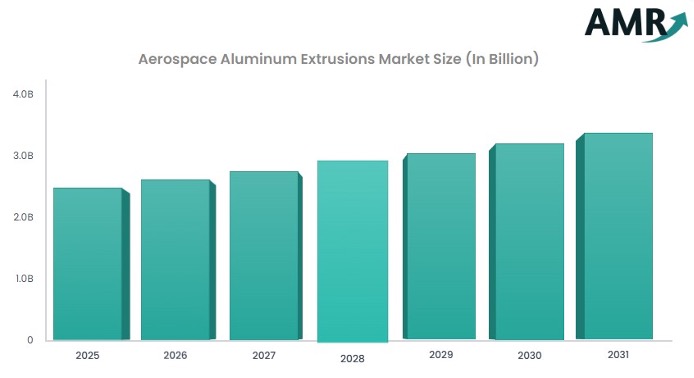
Meanwhile, market data from Archive Market Research projects continued growth in demand for specialized extrusions through 2030. This trend is driven by fuel-efficient airframe design and a strong robust Maintenance, Repair, and Overhaul (MRO) sector. Despite increased composite use, hard alloy extrusions remain critical to the high-load structural framework of modern aircraft.
Manufacturing Excellence and Process Control

The quality of the final product is as much a result of the process as it is the alloy choice. Precision aerospace extrusions require meticulous control over temperature, extrusion speed, and cooling rates. Variations in these factors can lead to internal stresses or inconsistent hardness, jeopardizing the safety of aluminum alloys for flight-critical structures.

The process begins with the aluminum billet. Controlling the chemistry and casting of the billet is the only way to ensure predictable results at the press. For hard alloys, which are less forgiving than standard aluminum, this level of metallurgical oversight is mandatory. Industry standards, such as those highlighted by the FAA and the Air Force Research Laboratory, emphasize that a component’s processing history is just as vital as its final dimensions.

Supporting the Next Generation of Flight

Modern aviation requires thick-wall profiles and high-load, large aluminum extrusions. As a result, a manufacturing partner with deep hard-alloy expertise is essential. Taber Extrusions delivers the large-press capacity and metallurgical control required to meet aerospace standards.

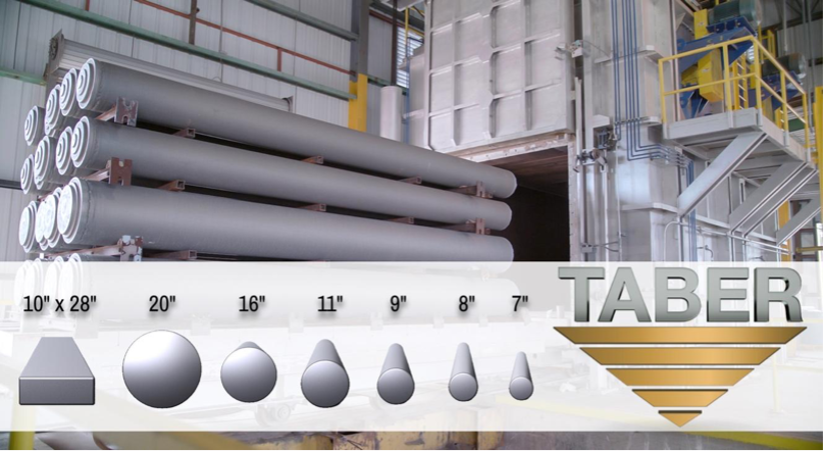
In addition, billet production is vertically integrated to ensure chemistry and consistency are controlled from the start. Wide, high-strength profiles can be produced by Taber that many standard extruders cannot support. From fuselage frames to internal load paths, components are manufactured to perform as specified in mission-critical environments.
For aerospace teams evaluating materials or validating partners for flight-critical structures, the expertise behind the extrusion process is the ultimate safeguard of quality and performance.

Looking for a partner capable of producing large, high-strength aluminum extrusions for aerospace applications? Fill out the form below to connect with an extrusion specialist experienced in hard alloys, tight tolerances, and mission-critical performance.


Request A Quote

    CONTACT INFORMATION

    YOUR PROJECT NEEDS

    Please specify extrusion alloy and length below

    If you have design files for extrusion or FSW please upload below

    Excepted file formats: jpg, pdf, png.

    Please specify FSW alloy class, welding type and panel dimensions below.

    Alloy*

    Welding Type*

    Select Billet Size *

    ANY CUI OR FCI DATA IS STRICTLY PROHIBITED FROM BEING UPLOADED DIRECTLY THROUGH THIS FORM. IF YOU NEED TO SHARE ANY SENSITIVE DATA PLEASE CONTACT A TABER SALES TEAM MEMBER AND THEY WILL PROVIDE A SECURE METHOD OF SHARING ANY SENSITIVE INFORMATION.

    6 11, 2024

    How Taber Does That: Real-World Aluminum Applications That Protect a Nation

    2024-11-06T14:21:35+00:00November 6th, 2024|

    Silhouettes of two soldiers saluting against a sky with the text “Taber Does That: Real-World Aluminum Applications That Protect a Nation” and the Taber logo in the foreground.

    How does the U.S. military stay ahead in global defense? It’s not just through advanced strategies and technology, but also the materials that support its infrastructure. Aluminum applications, particularly specialized alloys, play a critical role in defense, aerospace, and satellite construction. Offering a unique mix of strength, durability, and lightweight properties. The right alloy can be the difference between mission success and failure, whether on the battlefield, in the skies, or beyond Earth’s atmosphere.

    Aluminum applications have evolved, now supporting everything from portable landing fields to satellite components. The defense and aerospace sectors need materials that withstand extreme conditions while maintaining their adaptability and lightness. Engineers rely on specialized aluminum alloys to meet these demands, ensuring robust and reliable systems.

    The Role of Aluminum in Modern Applications

    • Aluminum in defense

    Aluminum’s prominence in defense applications stems from its exceptional strength-to-weight ratio. It maintains high strength while remaining lightweight, a necessity for ground and aerospace military operations. 7000 and 2000 series aluminum alloys are widely used to create high-strength, lightweight armor and military vehicles. These alloys are tough and resistant to cracking, making them perfect for armored vehicles and portable military infrastructure.

    • Aluminum in aerospace

    In aerospace, aluminum alloys are the pillar of modern aircraft construction. Its strength and lightweight properties are vital in constructing modern aircraft, from commercial airliners to advanced fighter jets. The 7000 series, in particular, is prized for its high strength and resistance to fatigue, ensuring that aircraft can endure the stresses of flight over extended periods.

    Additionally, aluminum is also essential for aerospace structures that demand both strength and corrosion resistance. Critical components like wing spars, fuselage frames, and landing gear rely on these alloys for safety and longevity. Additionally, aluminum’s lightweight nature enhances fuel efficiency, making it indispensable in an industry where every kilogram saved improves both cost and performance.

    • Aluminum in satellites

    Beyond Earth’s atmosphere, aluminum applications are key in satellite construction. Aluminum satellite components require high strength and resilience against the vacuum of space and extreme temperature changes. Durability and reliability are critical, as repair or replacement is impossible once in orbit. Advanced techniques like friction stir welding (FSW) enhance the mechanical properties of aluminum, ensuring that satellite components perform flawlessly in space.

    Large satellite dish under a starry night sky, with surrounding treetops in the foreground.

    As demand for satellites grows — whether for global communication, Earth observation, or space exploration — the need for lightweight, reliable materials like aluminum alloys becomes more apparent. Due to its versatility, various satellite components use aluminum, from the structural framework to the shielding that protects sensitive electronics from cosmic radiation.

    Taber Extrusions: A Leader in Aluminum Applications Across Industries

    Upcoming Upgrade: A New Era of Manufacturing Excellence

    Taber Extrusions is set to revolutionize its production with the installation of a state-of-the-art press line, reaffirming its commitment to innovation and quality. This upgrade, detailed in their recent press release, represents a major leap forward in their manufacturing capabilities. The new press line enhances Taber’s ability to meet the complex demands of the defense, aerospace, and satellite sectors.

    With this advanced press line, Taber can efficiently produce high-strength lightweight armor and critical components for military vehicles, aerospace structures, and satellite systems. The design of the press line enables it to handle a wide range of hard alloys, including the 7000 series and 2000 series, ensuring Taber continues to offer materials meeting stringent requirements for modern applications. This investment firmly positions Taber as a leader in advanced aluminum solutions, vital to the nation’s infrastructure and defense systems.

    The top of the Statue of Liberty is on the left with the Taber logo below it. The headline to the right of the Statue of Liberty says, “The Shape of Endless Possibilities — Taber Extrusions” above a collage of four images of Taber Extrusions’ equipment and their warehouse.

    Friction Stir Welding and Beyond

    Taber’s friction stir welding (FSW) capabilities are particularly noteworthy across all sectors. FSW enhances the mechanical properties of 7000 series and 2000 series aluminum alloys. A feature that makes them perfect for durable, long-lasting components in defense, aerospace, and satellite industries. The opening of a new FSW facility in Arkansas further underscores Taber’s commitment to providing cutting-edge solutions for these critical applications.

    In aerospace, Taber’s expertise in producing aluminum alloy for satellites ensures that components can endure the harsh conditions of space. Their focus on delivering BABA-certified (Build America, Buy America) aluminum extrusions reinforces their commitment to sourcing and manufacturing within the United States.

    Taber Extrusions: Delivering High-Strength, Lightweight Aluminum Applications for Defense, Aerospace, and Satellite Industries

    In industries where precision, durability, and reliability are non-negotiable, Taber Extrusions has established itself as a cornerstone supplier across the U.S. defense, aerospace, and satellite sectors. By providing high-strength, lightweight aluminum solutions tailored to the rigorous demands of these applications, Taber supports the ongoing efforts to innovate, protect, and advance both on Earth and beyond.

    About Taber

    Taber Extrusions specializes in producing architectural aluminum products in unique shapes and sizes for a wide range of industries, including aerospace, automotive, marine, and infrastructure.

    Since its founding in 1973, Taber has expanded from its military roots to become a leader in the aluminum extrusion industry. With advanced tools and capabilities, Taber offers custom solutions such as precise micro-extrusions, friction stir welding (FSW) services, and a variety of aluminum alloy options. Their CNC machining line enables the creation of custom aluminum components for various industries, while their value-added machining services and raw material supply serve customers across North America.

    Explore the full range of aluminum applications and solutions from Taber Extrusions and see how they can elevate your next defense, aerospace, or satellite project. Visit Taber Extrusions’ website to learn more about their innovative materials and manufacturing processes that are shaping the future.

    For more information, you can also call Taber at 1-888-984-3795.

    Taber follow us icon

    Follow Us On Social Media!

    Go to Top