
Key Takeaways:
-
Manufacturers are often forced into multi-part assemblies for wide profiles, which can compromise structural integrity, increase production complexity, and extend overall lead times.
- Expanding U.S. aluminum extrusion manufacturing strengthens supply chains by reducing lead times, improving quality control, and enabling end-to-end production with integrated machining services.
- Advanced 10,000-ton press technology supports both hard- and soft-alloy extrusions, giving engineers greater design flexibility across aerospace, defense, and industrial applications.
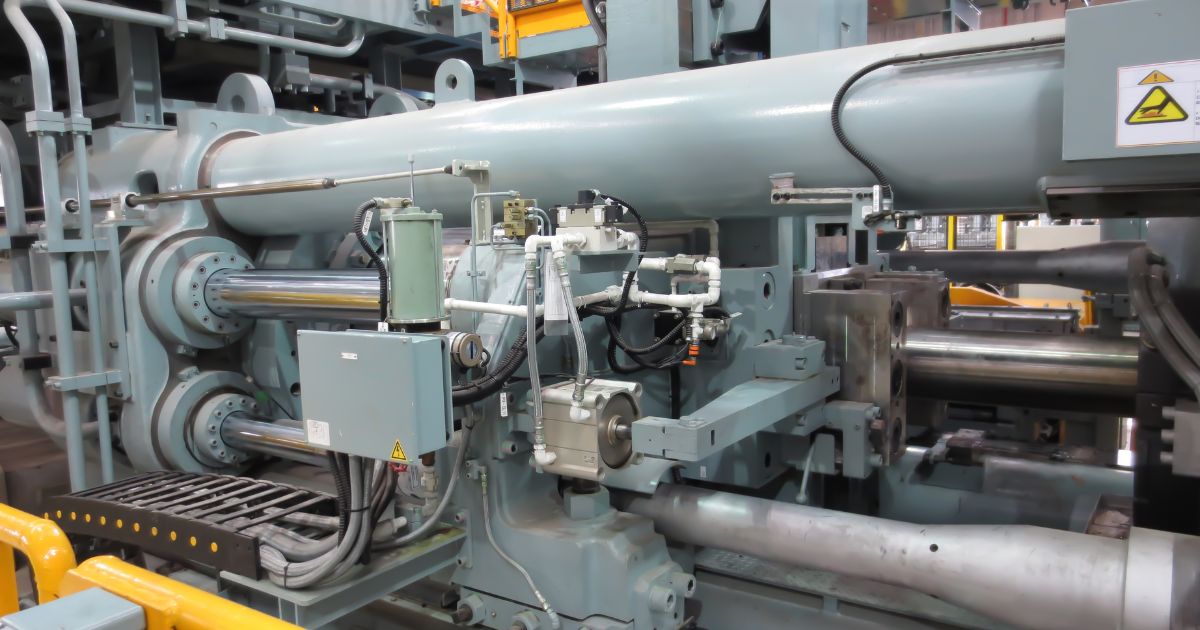
The largest aluminum extrusion press in North America is reshaping how aerospace and defense components are sourced and produced, addressing long-standing tradeoffs between weight reduction, structural integrity, and supply chain efficiency. Engineers and purchasing agents have often faced bottlenecks when large, complex profiles must be sourced domestically. However, with expanded capabilities, wide aluminum profiles and structural shapes can now be produced in a single run, reducing reliance on multi-part assemblies and minimizing potential weak points. As a result, it streamlines production and improves performance. Hard- and soft-alloy extrusions offer military and defense engineers distinct technical advantages. Moreover, sourcing domestically strengthens supply chains and drives operational efficiency. Because when the largest aluminum extrusion press in North America is in your corner, the bottlenecks stop here.
The Engineering Feat of a 10,000-Ton Aluminum Extrusion Press
Producing massive, single-piece aluminum components is no small task. Traditional manufacturing often forces engineers to piece together multiple smaller extrusions. This means adding welds, bolts, and rivets. Every joint introduces a potential point of failure and adds labor, inspection time, and assembly costs. Advanced large-scale presses change that equation.
A press of this extreme magnitude, operating at 10,000 tons with a 16-inch container, can handle profiles up to 600 millimeters in width. It does the heavy lifting, so assembly lines do not have to. When the need for multi-part builds is eliminated, the structural integrity of the final product skyrockets. This is a critical factor for aerospace aluminum extrusions, where a fraction of an ounce or a single weak joint can compromise a mission.
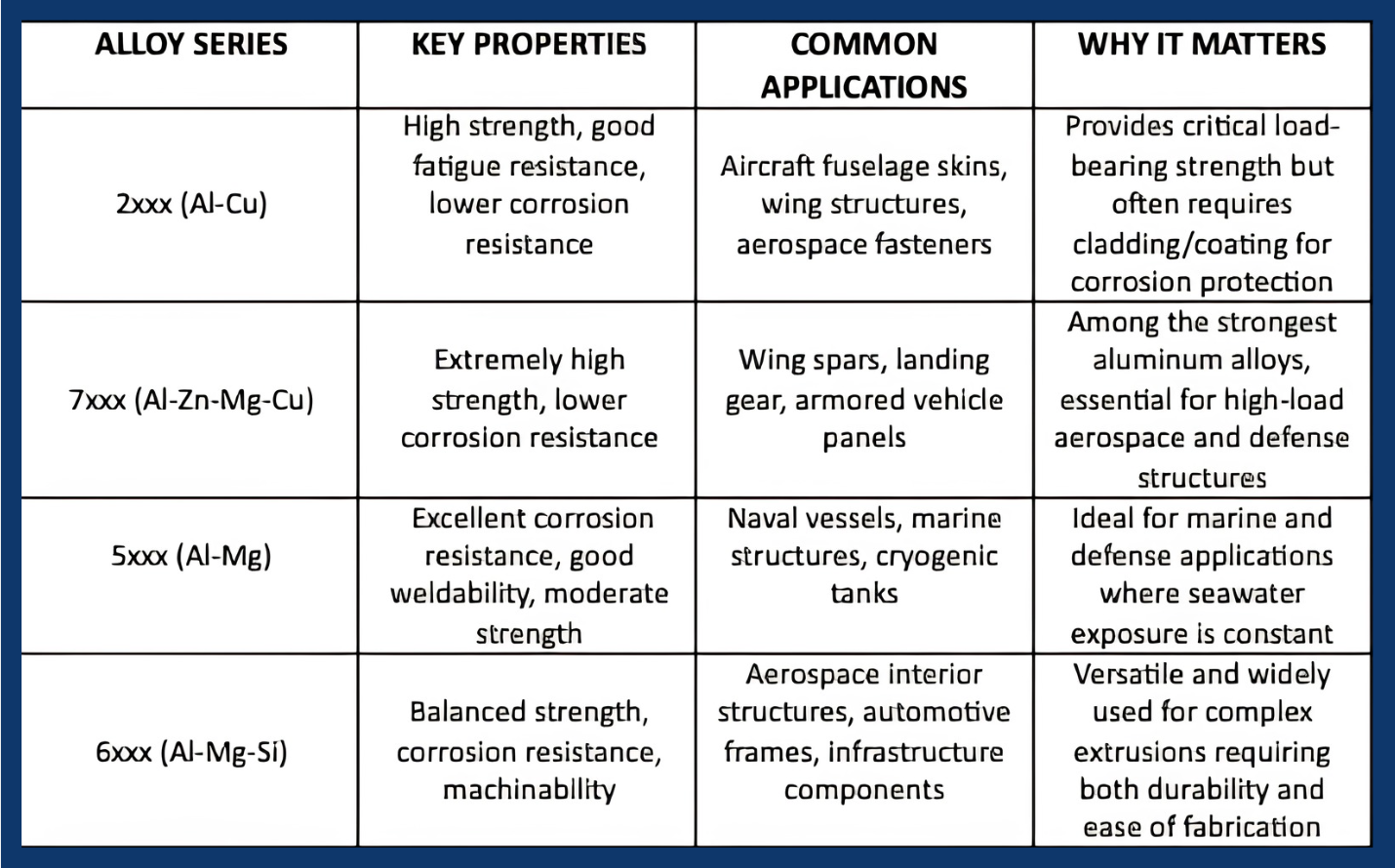
Another major hurdle in industrial aluminum extrusions is material versatility. Many presses can only handle specific materials efficiently. However, state-of-the-art 10,000-ton presses are built to process both hard and soft alloys. Hard alloys, such as the 2xxx and 7xxx series, offer the extreme strength needed for military vehicles and aerospace structures. Soft alloys, such as the 5xxx and 6xxx series, offer the corrosion resistance and weldability required for marine and infrastructure projects. Being able to extrude these materials into complex, wide shapes provides time and freedom for designers to innovate.
Furthermore, these large-scale operations integrate advanced heating and cooling technologies. Features like induction heaters for billet taper and multi-spray zone profile quenching ensure the metal cools at the exact rate needed to maintain its metallurgical properties. This level of control allows suppliers to meet strict aerospace material specifications. In other words, combining massive pressing power with precision thermal management, this results in a superior product that holds tight tolerances across long, wide spans.
Strengthening the U.S. Supply Chain for Mission-Critical Sectors
Global supply chain disruptions have taught the manufacturing sector a hard lesson: relying on overseas suppliers for mission-critical components is a risky bet. Lead times can stretch into months, shipping costs fluctuate, and quality control is often left uncertain. As a result, bringing production back home is no longer just a trend; it is a necessity, and one that is actively driving the expansion of the North American aluminum extrusion market. U.S. aluminum extrusion manufacturing, in turn, provides the stability and reliability OEMs demand.
When large aluminum extrusions are sourced domestically, supply lines are shortened and risk is reduced. This is especially critical in the defense sector, where strict material traceability and compliance are required. Working with an AS9100 aluminum extrusion supplier helps ensure that every step meets rigorous aviation, space, and defense standards. For more information on these quality management systems, visit SAE International’s website.
That said, raw extrusion is only part of the equation. After the metal leaves the press, secondary operations are often required, and sending parts between facilities can add both time and cost. In contrast, facilities that combine massive extrusion capabilities with in-house aluminum extrusion machining services offer a clear advantage. By keeping everything under one roof, facilities move products from raw billets to finished components for a seamless workflow. Ultimately, shorter transit times and tighter in-house oversight ensure the final product meets exact engineering specifications.
The Aluminum Association notes that modernizing infrastructure and expanding domestic capabilities are vital to the industry’s future, as outlined in its PowerUp initiative. The addition of massive press lines in the United States directly supports this goal by strengthening a more resilient industrial base, one that can respond quickly to both national security needs and shifts in the commercial market. Whether it is a satellite housing or a heavy-duty industrial rail, having the capacity to produce and machine it domestically keeps assembly lines moving and projects on schedule.
The Taber Extrusions Advantage
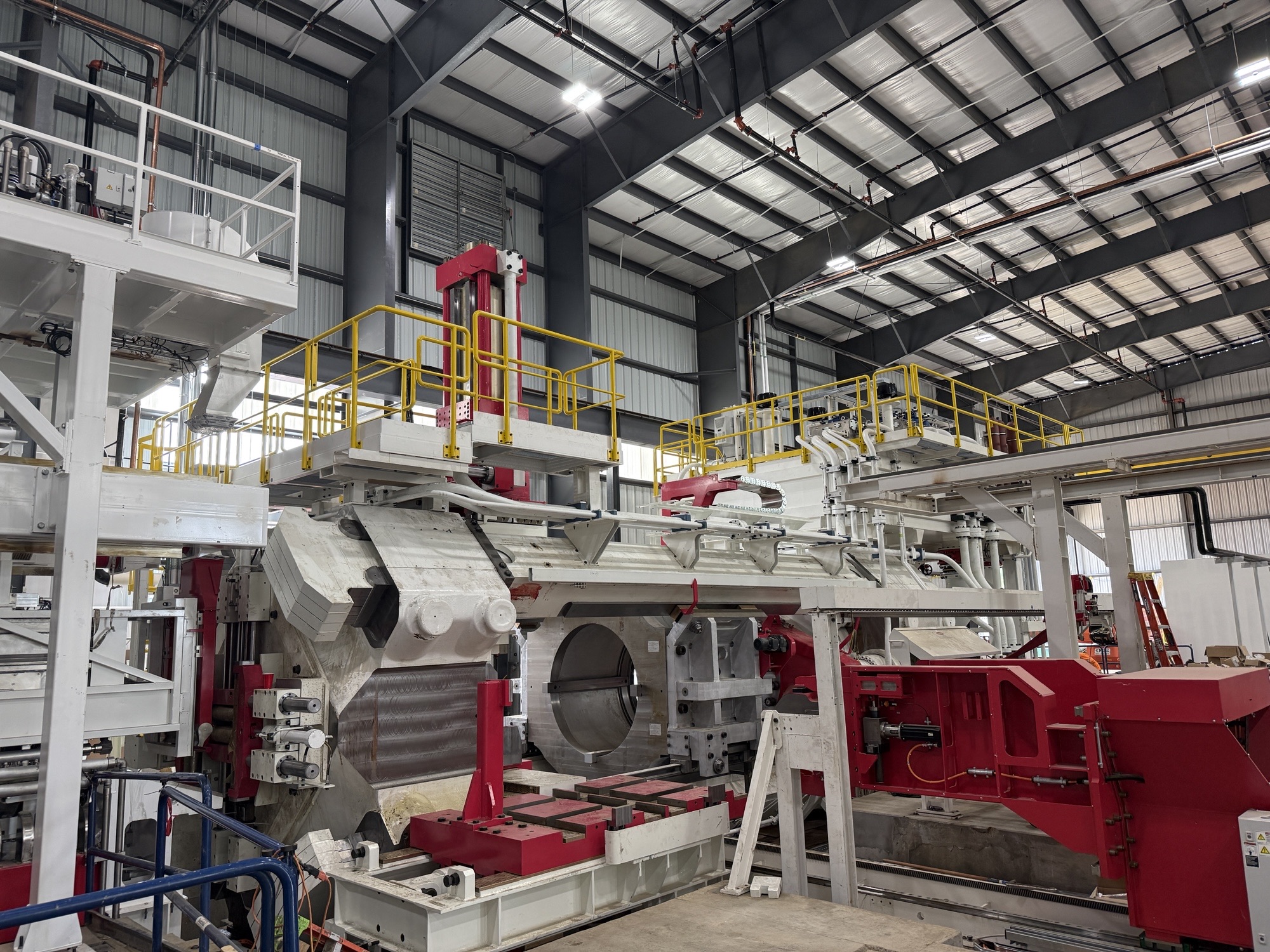
Taber Extrusions understands the pressure OEMs face when sourcing large, complex parts. To meet this growing demand, Taber Extrusions is expanding its Russellville, Arkansas facility. In fact, the company is installing a state-of-the-art 10,000-ton press, slated to go live in June 2026. This new equipment will be one of the largest direct presses in North America.
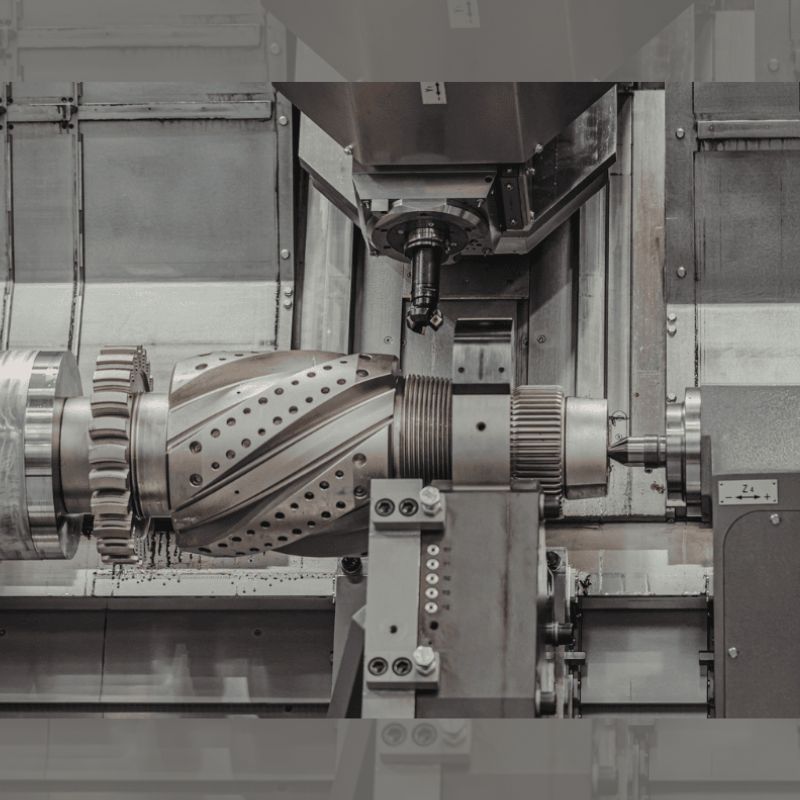
Taber Extrusions has built a reputation on taking on challenges other manufacturers turn down. They offer a comprehensive suite of services, including advanced extrusion capabilities, friction stir welding, and precision CNC machining. By keeping these processes in-house, Taber provides the strict quality control and supply chain stability that defense and aerospace contractors require. Their commitment to continuous improvement means engineers can design with confidence, knowing the manufacturing capabilities exist to bring their ideas to life.
Common Questions About Taber’s 10,000-Ton Extrusion Press
Taber Extrusions holds AS9100C and ISO 9001 certifications and has received Boeing Gold Supplier status and BAE Systems’ Gold Medallion — recognizing its compliance with the quality, traceability, and repeatability standards required for mission-critical aerospace and defense programs. Large-scale aluminum extrusion programs for these sectors typically require AS9100, customer-specific qualification requirements, and full material traceability.
Large-profile extrusion, such as the profiles produced on Taber Extrusions’ 10,000-ton press, allows multiple components to be redesigned into a single extruded part. This reduces welding, fastening, and secondary machining operations, lowering assembly complexity, reducing failure points, and improving structural performance across defense, aerospace, and transportation programs.
Taber Extrusions’ 10,000-ton press with a 16-inch rectangular container enables production of significantly larger and more complex aluminum profiles than conventional extrusion systems, including wider cross-sections, multi-void geometries, and long continuous shapes at tight tolerances. This capability is especially valuable for replacing fabricated or multi-part assemblies with a single extruded component, reducing weight and assembly complexity in aerospace and defense applications.
Need large, complex, or aerospace-grade aluminum extrusions? Contact Taber Extrusions by filling out the form below to discuss your project requirements and engineering specifications.