19 08, 2026

Designing Large Aluminum Extrusions for Aerospace: From Concept to Flight-Ready Structures
2026-08-19T19:23:26+00:00August 19th, 2026|

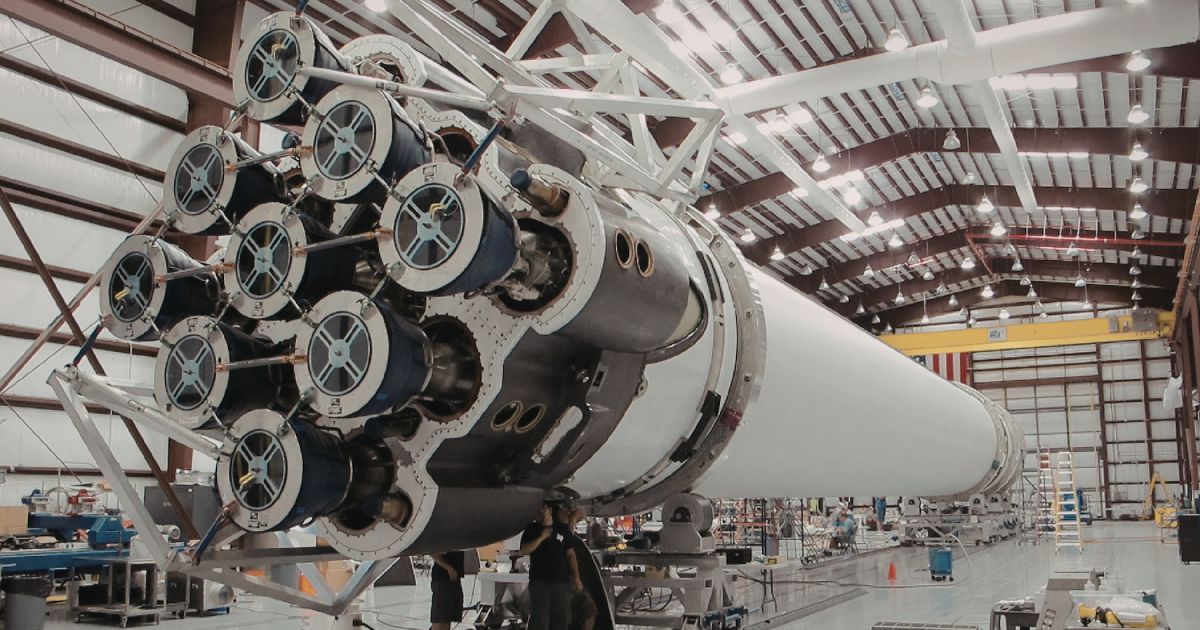
A large rocket structure in an assembly facility, showing one of the many the applications of aluminum extrusions in aerospace.

Key Takeaways:

  • Poor extrusion design increases cost, complexity, and failure risk. Many aerospace programs overcomplicate assemblies due to avoidable design inefficiencies at the extrusion stage.
  • Designing for larger extrusions reduces part count and improves structural integrity. Leveraging large-profile capabilities enables stronger, lighter structures with fewer joints and welds.
  • Early collaboration with extrusion experts accelerates time to production. Aligning design with manufacturing capabilities upfront minimizes redesigns and shortens program timelines.

Aerospace aluminum extrusion design directly impacts the strength, weight, manufacturability, and cost of aerospace structures. Yet many programs still rely on complex assemblies that require excessive fasteners, welds, and secondary operations, increasing both production costs and structural risk. By designing larger, more integrated aluminum extrusions from the start, engineers can reduce part counts, simplify assembly, and improve overall performance. Understanding the key design considerations early helps aerospace teams move from concept to production more efficiently while meeting demanding structural requirements.

Why Poor Extrusion Design Increases Cost and Risk

When extrusion design is treated as secondary, downstream challenges are often created. For example, complex geometries can increase part counts and assembly time. In addition, more fasteners and welds may be required, which raises both cost and risk. Structural inefficiencies can also be introduced, especially at stress concentration points.

According to the Federal Aviation Administration, simplified load paths and fewer discontinuities are preferred in aerospace structures. Therefore, extrusion design for reduced assembly should be prioritized early. When profiles are designed to carry more function, fewer downstream corrections are needed.

Designing Larger Extrusions to Reduce Assembly Complexity

Today, large aluminum extrusions for aerospace are being used more frequently to simplify structures. Engineers can design aerospace structural aluminum profiles that integrate more functionality.

As a result, several benefits can be realized:

  • Part counts are reduced
  • Mechanical fastening is minimized
  • Load distribution is improved
  • Structural integrity is strengthened

This approach has been supported by research from NASA, where integrated structures are often emphasized for lightweight performance. Additionally, access to large aluminum extrusion capabilities allows more ambitious designs to be produced at scale.

Designing for Fewer Joints with Friction Stir Welding

Material selection is a key factor in aerospace aluminum extrusion design. High-strength alloys, especially in the 2xxx and 7xxx series, are widely used for demanding applications. However, hard alloy extrusion design considerations must be carefully evaluated.

For instance, these materials can be more difficult to extrude due to their strength. Tight process control is required, and geometry must be optimized. Wall thickness variation should also be minimized to ensure consistency.
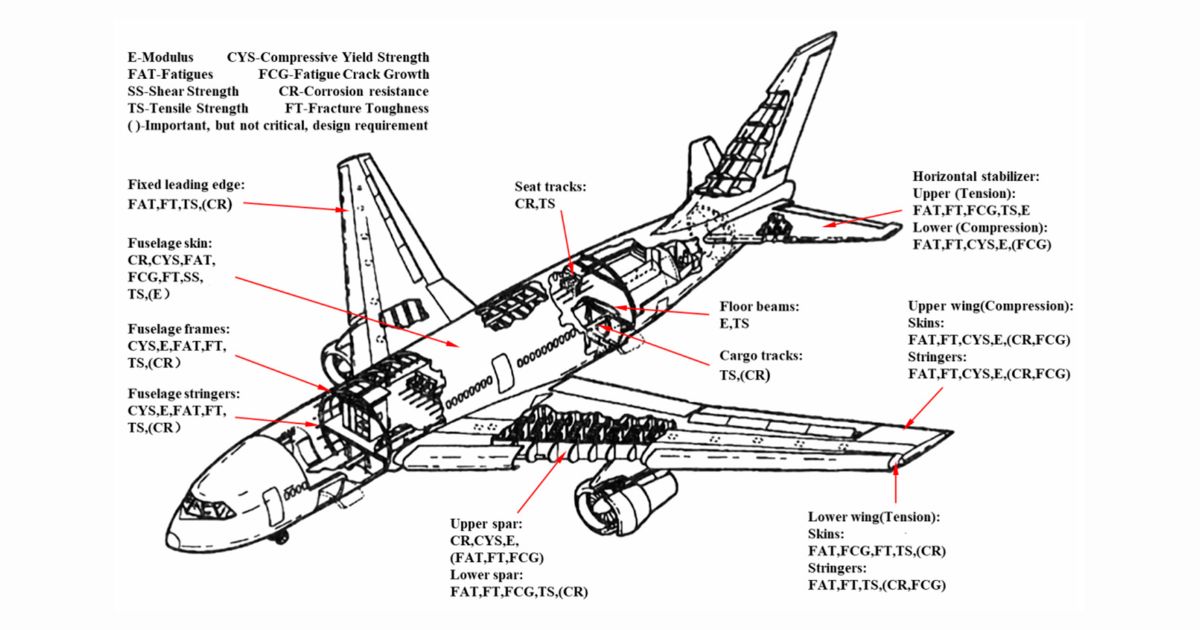
The Aluminum Association provides guidance on alloy performance and selection. Learn more about how these materials can be applied effectively when design and process are aligned.

Designing for Fewer Joints with Friction Stir Welding

Even with larger extrusions, some joining will still be required. In these cases, friction stir welding aerospace aluminum applications offer a strong solution. This process produces high-quality joints with low distortion.

As a result, several advantages are gained:

  • Stronger, more consistent welds
  • Improved fatigue performance
  • Reduced need for mechanical fastening
  • Greater flexibility in large structures

By incorporating friction stir welding for aerospace structures early in the design phase, engineers can simplify assemblies and achieve better performance outcomes.

Aluminum Extrusion Tolerances for Aerospace Applications

Aluminum extrusion tolerances aerospace requirements become more complex as profiles increase in size. Therefore, extrusion design guidelines must account for this early in development.

Designers should consider:

  • Dimensional variation across large profiles
  • Thermal effects during processing
  • Straightness and twist limitations

Access to large press capacity for aerospace applications helps improve consistency and control. Then, better alignment with aerospace manufacturing standards can be achieved.

Early Collaboration Improves Speed and Outcomes

Early collaboration is one of the most effective ways to improve results. When extrusion experts are involved early, risks can be reduced and timelines can be shortened.

For example, teams can:

  • Optimize aerospace structural aluminum profiles for manufacturability
  • Identify potential issues before production begins
  • Reduce redesign cycles
  • Improve scalability for long-term programs

Guidance from both NASA and the Federal Aviation Administration has shown that early engineering alignment leads to better outcomes. Through decades of successful missions and certified flight programs, both organizations have consistently demonstrated that collaboration is most effective when it begins at the earliest stages of design.

Designing the Future of Aerospace Structures

As aerospace demands evolve, structures must be lighter, stronger, and faster to produce. Aerospace aluminum extrusion design makes that possible when it is aligned with the right manufacturing partner.
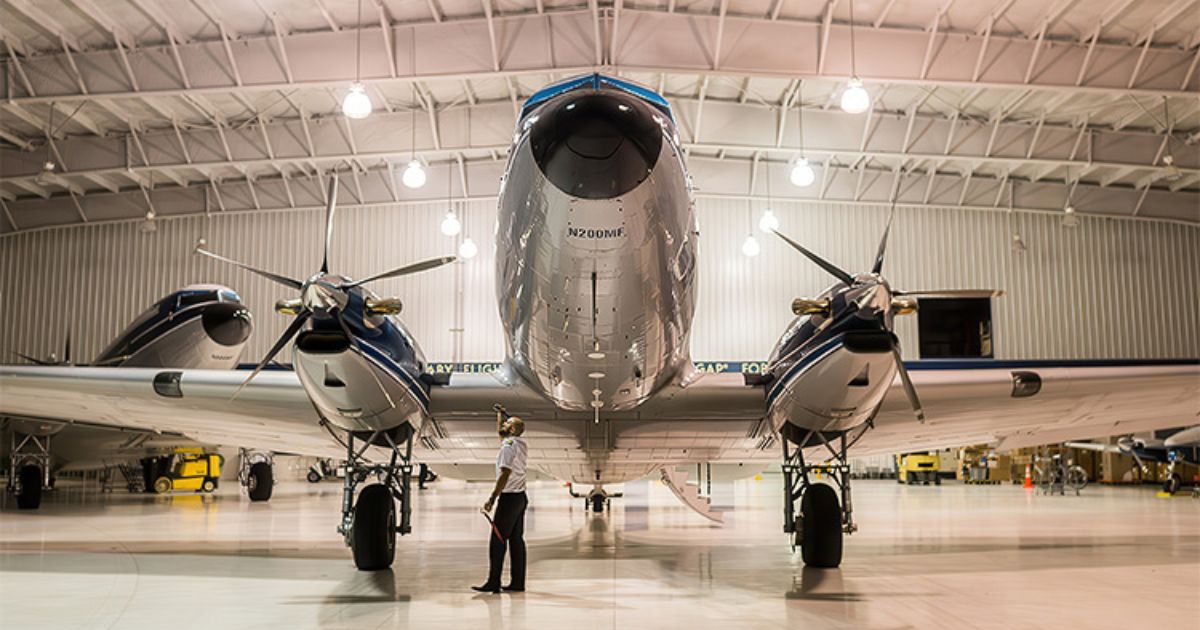
Producing large aerospace structural aluminum extrusions requires far more than press capacity alone. Success depends on a combination of advanced manufacturing capabilities, engineering expertise, and integrated production processes that ensure dimensional accuracy, material consistency, and reliable performance. When extrusion, billet casting, machining, and joining technologies are coordinated under one operation, manufacturers can better control quality, reduce production variability, and streamline the path from design to finished component.

Vertically integrated aluminum extrusion facilities with high-tonnage press capacity can produce large, complex aerospace structural profiles that consolidate functionality and reduce assembly complexity. Combined with in-house billet casting, machining, and friction stir welding, these capabilities help maintain consistency, achieve tight aerospace tolerances, and deliver the strength required for demanding applications.

Early collaboration between design teams and extrusion specialists further improves outcomes. By addressing hard alloy extrusion design considerations early, engineers can reduce redesigns, improve manufacturability, and accelerate production schedules. This approach supports lighter, stronger, and more efficient aerospace structures while minimizing overall program risk.

Located in Russellville, Arkansas, these capabilities support aerospace programs throughout North America.

FAQ: Aerospace Aluminum Extrusion Design

How do large aluminum extrusions reduce part count in aerospace assemblies?2026-08-19T19:21:58+00:00

Larger, more integrated profiles allow engineers to consolidate functions that would otherwise require multiple parts, fasteners, and welds. By designing aerospace structural aluminum profiles that carry more load across fewer pieces, programs can reduce mechanical fastening, improve load distribution, and lower both assembly time and structural risk. The key is access to high-tonnage press capacity that can produce complex cross-sections in a single extrusion.

What tolerances are achievable with large aerospace aluminum extrusions?2026-08-19T19:19:59+00:00

Aerospace aluminum extrusion tolerances become more challenging as profile size increases due to dimensional variation, thermal effects during processing, and straightness and twist limitations. Working with an extrusion manufacturer that has large press capacity and tight process controls allows programs to meet demanding aerospace dimensional standards. Early design collaboration helps engineers build tolerance requirements into the profile geometry before production begins, avoiding costly redesigns.

What aluminum alloys are most used for aerospace extrusions?2026-08-19T19:19:01+00:00

High strength 2xxx and 7xxx series alloys are the most widely used for aerospace structural applications. These alloys offer the strength-to-weight ratio required for demanding load cases but require careful process control and geometry optimization during extrusion. Wall thickness variation should be minimized, and designs should account for the specific hard alloy extrusion design considerations that affect formability and consistency at scale.

Request an Aerospace Extrusion Design Consultation. Work directly with Taber’s engineering team to optimize your next aerospace extrusion for performance, manufacturability, and scale. Start designing smarter before production begins.
Request A Quote

    CONTACT INFORMATION

    YOUR PROJECT NEEDS

    Please specify extrusion alloy and length below

    If you have design files for extrusion or FSW please upload below

    Excepted file formats: jpg, pdf, png.

    Please specify FSW alloy class, welding type and panel dimensions below.

    Alloy*

    Welding Type*

    Select Billet Size *

    ANY CUI OR FCI DATA IS STRICTLY PROHIBITED FROM BEING UPLOADED DIRECTLY THROUGH THIS FORM. IF YOU NEED TO SHARE ANY SENSITIVE DATA PLEASE CONTACT A TABER SALES TEAM MEMBER AND THEY WILL PROVIDE A SECURE METHOD OF SHARING ANY SENSITIVE INFORMATION.

    18 05, 2026

    Why Hard Alloy Aluminum Extrusions Are Critical for Large Aerospace Structures

    2026-05-18T23:32:08+00:00May 18th, 2026|

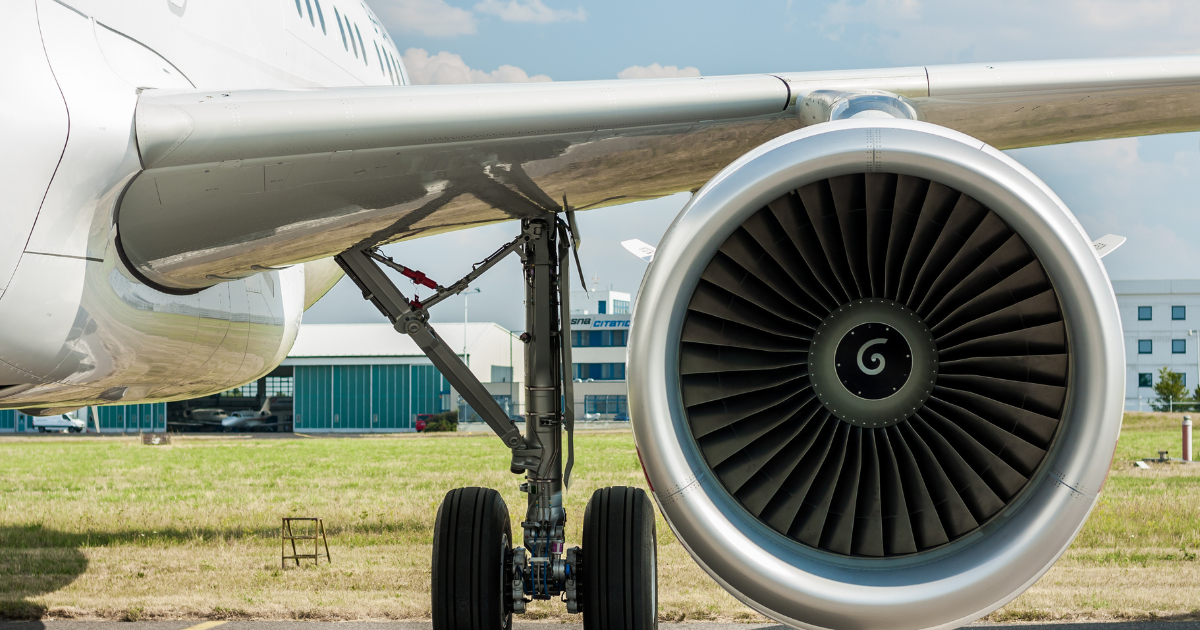
    Detailed close-up of a jet engine turbine which highlights the complex engineering applications of hard alloy aluminum extrusions in aviation.

    Key Takeaways:

    • Aircraft structures must withstand extreme stress, fatigue, and long service lifecycles while maintaining tight tolerances, making material selection a critical engineering challenge.
    • Large, monolithic extrusions reduce the need for fasteners, lowering weight and minimizing fatigue failure points in high-load aerospace applications.
    • Process control determines long-term reliability. Consistent billet quality, controlled extrusion parameters, and proper grain direction are essential to achieving predictable performance in flight-critical components.

    Hard alloy aluminum extrusions play a critical role in modern aerospace engineering. As aircraft platforms scale up, weight must be reduced while structural integrity is maintained. Tolerances are required to remain tight across long spans and thick cross-sections. Moreover, every component must meet strict fatigue-life and certification standards. As a result, the industry has shifted from small, fastened assemblies to large, integrated aerospace profiles. These hard-alloy extrusions carry high loads and maintain stability under decades of cyclic stress, forming the structural backbone of next-generation aircraft.

    The Metallurgical Necessity of Hard Alloys

    Primary aerospace structures endure decades of vibration, cyclic loading, and temperature extremes. For this reason, aerospace-grade aluminum components are required to deliver high damage tolerance and predictable failure modes. Hard-alloy extrusions in the 2xxx and 7xxx series provide the tensile strength these applications demand. In contrast, softer 6xxx alloys used in architectural or automotive sectors are not engineered for sustained high stress. NASA research has shown that aluminum remains the preferred material for large structural members due to its balance of weight efficiency and fracture toughness.

    In practice, 7075 and 7050 alloys are specified for their superior yield strength. Meanwhile, the 2xxx series is selected when fatigue resistance governs design. Thick-wall extrusions can be produced to withstand the bending loads seen in wing spars and fuselage frames. As such, material selection is driven by long-term structural performance, not convenience.

    Precision at Scale: The Role of Large Press Capability

    The shift to larger aircraft components creates manufacturing challenges. As profile cross-sections increase, uniform mechanical properties become harder to maintain. For this reason, large press capability is required in aerospace production.

    Wide, complex profiles can be produced in a single piece using large-scale presses. Monolithic structures are formed instead of assemblies built from multiple riveted parts. This then reduces fatigue initiation points. Fewer joints create a lighter airframe and simplify OEM assembly.

    In addition, hard-alloy aluminum extrusion manufacturing technology is used to control grain flow along specific load paths. Grain direction is managed during extrusion to improve resistance to stress corrosion cracking. Consequently, flight-critical components achieve greater long-term durability.

    Design-Phase Considerations for Structural Aluminum

    Material selection in the early design phase directly impacts long-term program performance. For example, technical teams searching “aerospace structural aluminum components” are evaluating how specific alloys perform over thousands of flight hours. Data-driven decisions at this stage reduce downstream risk.

    Equally important is functional integration. High-load aluminum profiles can include built-in stiffeners or attachment points, which reduces secondary machining and heavy fasteners. Still, complex geometries demand precise control of metal flow during extrusion.

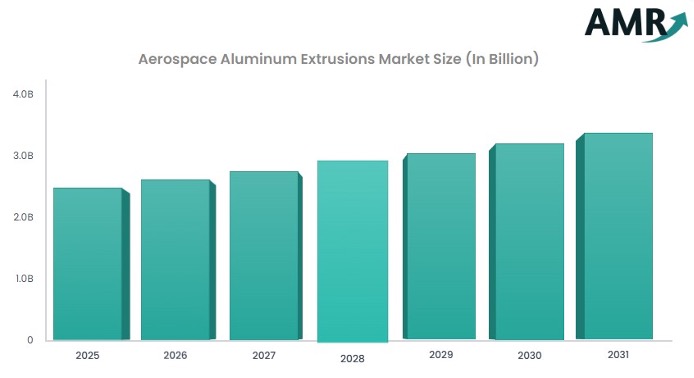
    Meanwhile, market data from Archive Market Research projects continued growth in demand for specialized extrusions through 2030. This trend is driven by fuel-efficient airframe design and a strong robust Maintenance, Repair, and Overhaul (MRO) sector. Despite increased composite use, hard alloy extrusions remain critical to the high-load structural framework of modern aircraft.

    Manufacturing Excellence and Process Control

    The quality of the final product is as much a result of the process as it is the alloy choice. Precision aerospace extrusions require meticulous control over temperature, extrusion speed, and cooling rates. Variations in these factors can lead to internal stresses or inconsistent hardness, jeopardizing the safety of aluminum alloys for flight-critical structures.

    The process begins with the aluminum billet. Controlling the chemistry and casting of the billet is the only way to ensure predictable results at the press. For hard alloys, which are less forgiving than standard aluminum, this level of metallurgical oversight is mandatory. Industry standards, such as those highlighted by the FAA and the Air Force Research Laboratory, emphasize that a component’s processing history is just as vital as its final dimensions.

    Supporting the Next Generation of Flight

    Modern aviation requires thick-wall profiles and high-load, large aluminum extrusions. As a result, a manufacturing partner with deep hard-alloy expertise is essential. Taber Extrusions delivers the large-press capacity and metallurgical control required to meet aerospace standards.

    In addition, billet production is vertically integrated to ensure chemistry and consistency are controlled from the start. Wide, high-strength profiles can be produced by Taber that many standard extruders cannot support. From fuselage frames to internal load paths, components are manufactured to perform as specified in mission-critical environments.

    For aerospace teams evaluating materials or validating partners for flight-critical structures, the expertise behind the extrusion process is the ultimate safeguard of quality and performance.

    Looking for a partner capable of producing large, high-strength aluminum extrusions for aerospace applications? Fill out the form below to connect with an extrusion specialist experienced in hard alloys, tight tolerances, and mission-critical performance.

    Request A Quote

      CONTACT INFORMATION

      YOUR PROJECT NEEDS

      Please specify extrusion alloy and length below

      If you have design files for extrusion or FSW please upload below

      Excepted file formats: jpg, pdf, png.

      Please specify FSW alloy class, welding type and panel dimensions below.

      Alloy*

      Welding Type*

      Select Billet Size *

      ANY CUI OR FCI DATA IS STRICTLY PROHIBITED FROM BEING UPLOADED DIRECTLY THROUGH THIS FORM. IF YOU NEED TO SHARE ANY SENSITIVE DATA PLEASE CONTACT A TABER SALES TEAM MEMBER AND THEY WILL PROVIDE A SECURE METHOD OF SHARING ANY SENSITIVE INFORMATION.

      16 09, 2024

      Why Use Structural Aluminum for Window Walls and Curtain Walls

      2024-09-16T22:38:55+00:00September 16th, 2024|

      Image of a modern glass building facade with the text ‘Why Use Structural Aluminum for Window Walls and Curtain Walls’ and the Taber Extrusions inverted gold triangle logo.


      Structural aluminum for window walls and curtain walls has become an essential material in modern construction. Initially, aluminum was costly and rarely used in civil engineering. However, the adoption of the Hall-Héroult electrolysis process in the 1920s drastically reduced production costs. It made aluminum a viable option for various structural applications.

      The Empire State Building, constructed in 1931, marked a significant milestone. It utilized aluminum extensively in its structural and interior elements. This included the iconic fresco on the lobby ceiling and gold-accented walls. Its use slowed during the 1940s due to the material’s demand in aircraft manufacturing. Aluminum regained popularity in the mid-20th century, especially in construction of high-rise buildings and bridges.

      Today, aluminum is valued for its light weight, durability, and ability to withstand extreme temperatures ranging from -80°C to +300°C. These properties makes it ideal for skyscrapers and architectural elements like window and curtain walls.

      Structural Aluminum — A Versatile Choice for Modern Building Envelopes

      To begin, Aluminum’s versatility is evident across various industries. Here are five of its most common applications in modern construction:

      1. Aluminum Skirting Aluminum skirting is known for its durability and resistance to blemishes, knots, and warping, unlike timber. It doesn’t crack, splinter, warp, or rot when exposed to moisture, making it a cost-effective and easily replaceable option.
      2. Roofs Aluminum is an outstanding material for roofing, often used in tiles and shingles due to its high corrosion resistance and lightweight nature. Its excellent strength-to-weight ratio makes it ideal for applications requiring both durability and minimal mass. Additionally, aluminum roofing cools quickly after exposure to sunlight, and its malleability allows for intricate design profiles, ensuring a long lifespan.
      3. Cladding Pure aluminum cladding offers a combination of non-combustibility, aesthetic appeal, and superior thermal properties. Aluminum sheets, especially when paired with reflective foil, provide insulation far exceeding that of thick brick or stone masonry, making them particularly effective in extremely cold environments.
      4. Window and Door Frames The high strength-to-weight ratio of aluminum makes it the preferred material for window and door frames. Aluminum frames are suitable for modern houses, high-rise buildings, and period homes alike. They can be powder-coated in any color, and the material’s inherent strength allows for minimal use while supporting large glazing areas and resisting wind deflection.
      5. Aluminum Curtain Walls The most extensive use of aluminum is in curtain walls, which are the large glass and grid structures seen on skyscrapers. Without aluminum, these structures would be too heavy. Structural aluminum for curtain walls is essential for weather resistance, reducing building sway, increasing energy efficiency, and offering versatile design possibilities for architects. They are crucial for modern urban architecture, combining functionality and aesthetic appeal.


      Norman Foster’s architectural firm designed the concert hall, Sage Gateshead, in the United Kingdom to mimic the appearance of sound waves. Its composition includes aluminum, glass, and steel.

      Understanding the Distinction Between Window Walls and Curtain Walls

      In modern mid-rise and high-rise buildings, it’s common to see exteriors that appear to be entirely made of glass, replacing traditional materials with sleek, transparent facades. These glass structures are typically referred to as curtain walls or window walls. While these terms are sometimes used interchangeably, they represent distinct architectural elements.

      Curtain Walls: Hanging Facades

      Curtain walls are non-load-bearing facades attached to the exterior of a building’s floor slabs, functioning like a decorative curtain. These walls, typically six to ten inches deep, span from one slab to the next and are available in two main types: stick-built, assembled on-site, and panelized, arriving prefabricated and ready for installation.

      While curtain walls add a striking visual element to a building, they require fire-stopping between floors, and can have noise transmission issues. They are generally more expensive than traditional slab-to-slab window systems.


      A close-up view of a building’s white facade with a grid pattern of windows, some reflecting trees and the sky, creating a contrast between the natural and built environment.

      Window Walls: Integrated Envelopes

      The installation of aluminum window wall systems between floor slabs anchors them at the sill and the head and extends them from the interior to the exterior of the building. These non-load-bearing walls typically span floor to floor and are no more than twelve feet tall.

      Prefabricated and ready to install, window walls do not require fire-stopping since they sit between floor slabs. Additionally, noise transmittance is less of a concern. Window walls offer a cost-effective and stylish option for achieving a ground-to-roof window appearance without the high price tag or operational problems. To maintain a continuous exterior facade look, you can use a slab bypass cover to ensure a seamless transition between floors.

      Benefits of Using Structural Aluminum for Window Walls and Curtain Walls

      Using structural aluminum for window walls and curtain walls comes with numerous advantages over traditional materials, making it a cost-effective, versatile, and sustainable choice for modern construction. Its lightweight nature, combined with high strength — especially in the 6XXX series — enables larger spans and innovative architectural designs without compromising structural integrity.

      Additionally, aluminum’s design flexibility allows for the extrusion of complex shapes, crucial for intricate window and curtain wall systems. Beyond its practical benefits, aluminum is fully recyclable, aligning with sustainable building practices and reducing overall maintenance costs.


      Infographic of the lifecycle of an aluminum billet in the extrusion process is illustrated in six stages: aluminum alloy chemistry, billet casting, the aluminum extrusion process, delivery, the use phase, and recycling.

      Taber Extrusions: Your Trusted Aluminum Distributor

      Taber Extrusions is a leading distributor of high-quality aluminum structural components, offering custom extrusion capabilities tailored to meet the industry’s specific needs. Their advanced manufacturing processes and specialty architectural aluminum components ensure top-tier products designed to your specifications.

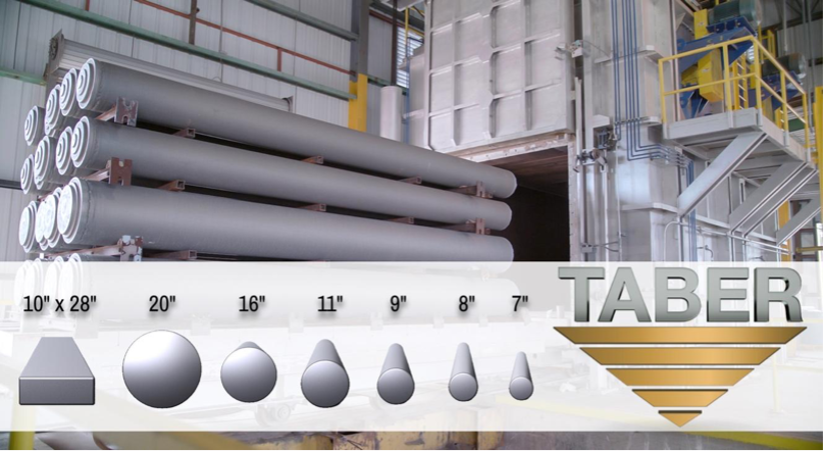
      Taber offers exceptional extrusion capabilities across all standard aluminum alloy series, including the popular 2000, 5000, 6000, and 7000 series, with additional options available upon request. They serve a diverse range of applications, including defense, marine, military, charging stations, satellites, architectural projects, bridges, curtain walls, and structural aluminum for window walls, all while adhering to stringent industry standards.

      Processing Services Include:

      • Billet casting — Gulfport, MS Plant
      • Solution heat treatment
      • Stretcher/detwister — 750-ton capacity
      • Contour correction
      • Cut-to-length
      • Custom packaging
      • Light fabrication
      • Statistical process control
      • Quality assurance — defense contractor approved
      • Artificial aging ovens

      Engineering Services Include:

      • Extrusion design assistance
      • Tolerances
      • CAD software (Auto CAD)
      • Ultrasonic testing — portable immersion (115 ft tank)
      • Analysis and testing capabilities — hardness, metallography, chemistry, mechanical property testing, conductivity testing

      By choosing Taber, you gain access to unparalleled expertise and a steadfast commitment to quality in the aluminum industry. Contact them today to discover how they can support your aluminum needs.

      Taber Extrusions at GlassBuild America 2024

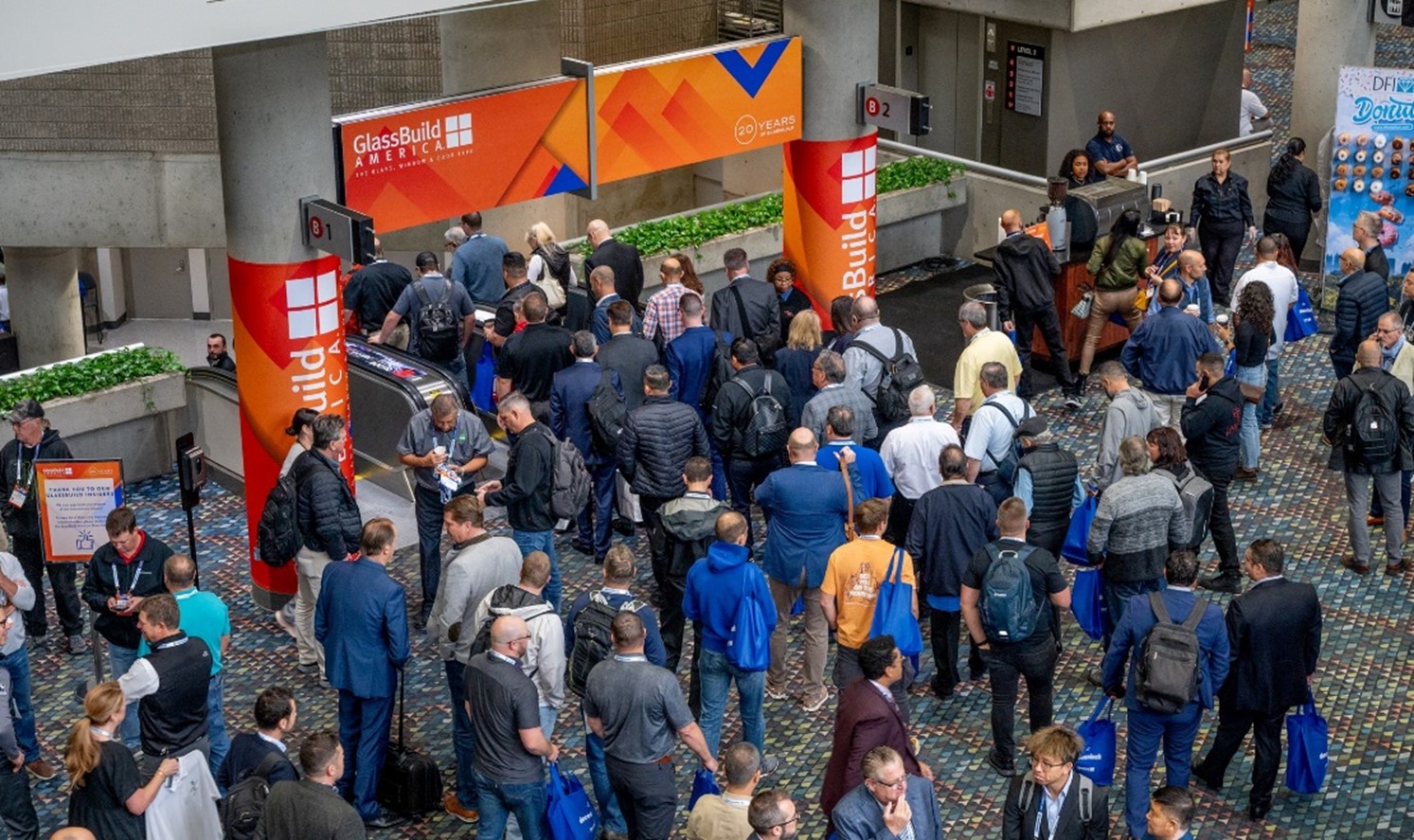
      Taber Extrusions will attend GlassBuild America 2024, the most significant event for North America’s glass, window, and door industries. Hosted by the National Glass Association, this event brings together industry professionals to showcase product innovations, attend educational sessions, and participate in live demonstrations. With over 9,000 attendees and 490 exhibitors, GlassBuild America provides an excellent platform for networking and discovering the latest trends and technologies. Join Taber Extrusions in Dallas, TX, from September 30 to October 2, 2024.


      A crowd of people attending GlassBuild America, showcasing the entrance area with event banners and attendees gathered.

      More About Taber Extrusions

      Taber specializes in producing architectural aluminum products in unique shapes and sizes for industries including aerospace, automotive, marine, and infrastructure.

      Since its founding in 1973, Taber Extrusions has grown beyond its initial military focus to become a leader in the aluminum extrusion industry. Utilizing various tools and capabilities, Taber creates custom solutions for its clients, offering precise micro-extrusions, friction stir welding services, and a wide selection of aluminum alloy options. Their CNC machining line enables the production of custom aluminum components for diverse industries. Additionally, Taber provides value-added machining services and supplies raw materials to customers across North America.

      Visit taberextrusions.com or call 1-888-984-3795.

      Taber follow us icon

      Follow Us On Social Media!

      28 05, 2024

      A Guide to Innovative Applications for Marine-Grade Aluminum

      2024-07-15T22:24:32+00:00May 28th, 2024|

      What’s the importance of marine-grade aluminum? Marine environments are notoriously unforgiving. From the corrosive bite of saltwater to the relentless assault of wind and waves, and the crushing depths, marine environments pose a constant threat to anything built to withstand them.

      But fear not, intrepid sailor (or landlubber interested in the sea!), for this story’s hero is marine-grade aluminum. This isn’t your average aluminum foil. Specifically the 5000 series aluminum (5xxx) and 6000 series aluminum (6xxx) alloys are the metal world’s Aquaman. Let’s dive deep and explore the innovative ways this champion tackles the challenges of the sea.

      What is Marine-Grade Aluminum, and Why Do You Need It?

      Ever wonder why boats don’t rust away? The secret lies in marine-grade aluminum. Many types of aluminum exist, but some are born for serious battle — the battle against the relentless ocean. These warriors are known as marine-grade aluminum.

      Imagine this: a metal solid yet lightweight, defying the harsh sun and salty bite of the sea. That’s the magic of marine-grade aluminum. By adding elements like magnesium and silicon, this special aluminum becomes a champion of corrosion resistance.

      Don’t be fooled by the name, though. This type of aluminum isn’t just for boats. It’s the hero behind sturdy docks, dependable railings, and even those trusty ladders that take you closer to the water. While it excels in conquering the waves, there are places where even this champion needs a break. The immense pressure and constant immersion prove too much for aluminum deep underwater. Steel takes the reins for submarines designed to handle these extreme conditions.

      So, the next time you see a boat braving the elements or a dock standing strong against the tide, remember the silent hero beneath — marine-grade aluminum!

      Why Marine-Grade Aluminum?

      The key to this metal’s success lies in its unique composition. The 5xxx series aluminum and 6xxx series aluminum alloys incorporate elements like magnesium and silicon, resulting in superior:

      • Corrosion resistance — Marine environments are a constant battle against rust. Marine-grade aluminum stands strong, minimizing the need for maintenance and repairs.
      • Strength — It packs a punch! This aluminum offers an excellent strength-to-weight ratio, making it ideal for load-bearing applications.
      • Weldability — Need a robust and seamless connection? Marine-grade aluminum welds beautifully, ensuring structural integrity.
      • Versatility — From custom extrusions to readily available shapes, this metal can adapt to various needs.

      How Does This Aluminum Conquer the Waves?

      Marine-grade aluminum isn’t just about braving the elements; it’s about thriving in them. Here’s a closer look at how this champion metal conquers the waves in various marine applications:

      • Boat hulls and structures

      Imagine a lightweight and robust boat slicing through the water quickly. This grade of aluminum makes this a reality. Its corrosion resistance, high strength-to-weight ratio, and ease of fabrication make it the perfect choice for building everything from small recreational boats and sleek yachts to massive commercial vessels.

      • Aluminum for shipbuilding components

      Shipbuilders worldwide rely on this kind of aluminum parts to create high-performance vessels. Decks, superstructures, bulkheads, and fittings benefit from this metal’s unique properties. The result? Improved fuel efficiency, longevity, and overall performance.

      • Offshore platforms and oil rigs

      Oil rigs and platforms demand a material that’s strong, lightweight, and resistant to corrosion. Marine-grade aluminum delivers on all fronts, ensuring longevity and high-performance solutions in these demanding conditions.

      • Marine equipment and accessories

      This versatile metal is everywhere, from the handrails you grip for stability to the ladders leading you to different decks, gangways for boarding, and even the fittings and seating. This specific aluminum tackles any challenge thanks to its durability and corrosion resistance.

      This is just a glimpse into the vast world of marine-grade aluminum applications. Its strength, lightness, and resistance to the sea’s harsh embrace make it a true champion, ensuring the smooth sailing of countless marine structures and equipment.

      What Properties and Grades Make Marine-Grade Aluminum a Champion?

      We’ve explored how marine-grade aluminum conquers the waves in various applications, but what makes it such a champion? Let’s explore the secret sauce – the properties and grades that give this metal its edge.

      Superior corrosion resistance alloy: Saltwater is the ultimate foe for most metals which makes marine-grade aluminum perfect for this sector. The alloying process creates a formidable shield against corrosion by adding elements like magnesium and silicon. This makes it perfect for everything from boat hulls constantly battling the waves to offshore platforms enduring harsh weather conditions.

      Strength meets lightness: Can you imagine a metal that conquers the crushing depths yet keeps boats dancing on the waves, all while saving fuel? That’s the beauty of this amazing aluminum. This high strength-to-weight ratio makes it ideal for building everything from sturdy oil rigs to sleek, high-performance yachts.

      A spectrum of grades for specific needs: Not all marine environments are created equal. The open ocean poses different challenges that need different applications. That’s why there’s a range of marine-grade aluminum grades, each with its strengths:

      • 5083 — This corrosion-fighting champion thrives in the harshest environments. Need something that stays strong even after welding? 5083 is your hero!
      • 5086 — 5086 excels in both conductivity and corrosion resistance. Unique processes can strengthen this robust alloy, making it ideal for demanding applications.
      • 5454 — This grade boasts superior formability and corrosion resistance, perfect for pressure vessels, welded structures, and offshore masts.
      • 5456 — When strength is paramount, 5456 takes the crown. This grade is ideal for structural aluminum applications like saltwater storage tanks and pressure vessels. Think of it as the muscle behind some of the most durable marine structures.
      • 6061 — 6061 offers excellent weldability and mechanical properties. It’s a popular choice for various marine fittings and hardware.

      Remember, this is just a selection of the many marine-grade aluminum grades available. Each has its unique properties, making it crucial to choose the right one for your specific project.

      Beyond the Blue: Applications on Land

      Marine-grade aluminum is as impressive in other sectors as it is in the sea:

      • Architectural aluminum: Cladding for skyscrapers, building facades, and even decorative elements often utilizes marine-grade aluminum for its durability and low maintenance.
      • Aluminum alloy for automotive: From lightweight car parts to sturdy truck frames, the strength-to-weight ratio of marine-grade aluminum makes it a valuable player in the automotive industry.
      • Aluminum alloy for aerospace: In the fight against gravity, every ounce counts. This aluminum strength and weight efficiency make it a natural choice for some aircraft components.
      • Industrial applications: Harsh industrial environments demand a material that can withstand the punishment. Marine-grade aluminum approaches the challenge of finding use in storage tanks, aluminum pressurized vessels, and structural components.
      • Infrastructure: Bridges, railings, and transportation infrastructure often incorporate marine-grade aluminum to benefit from its longevity and minimal maintenance requirements.
      • Energy sector: It’s toughness can handle environmental wear and tear, makes it a valuable material for renewable energy systems like solar panels and wind turbines.

      Need a specific shape for a unique project? Marine-grade aluminum offers the flexibility of being formed into custom extrusions alongside readily available standard shapes.

      Finding Your Perfect Marine-Grade Aluminum Partner

      Now that you’ve seen the wonders of marine-grade aluminum, it’s time to find the perfect partner for your project. Look for a trusted aluminum marine distributor with a proven track record.

      A Trusted Partner for Aluminum Marine Distributions

      Taber Extrusions is a leading aluminum supplier that can provide you with all your marine-grade aluminum needs. They offer a vast selection of high-quality 5xxx and 6xxx series alloys in standard and custom extrusions. They specialize in taking on extrusions that others might shy away from. With a full range of extrusion presses, from heavy-duty to high capacity, they offer the flexibility to handle even the most intricate designs.

      Their team of experts is passionate about aluminum. It has the knowledge to help you choose the perfect material for your shipbuilding, marine application, or any other project that demands the best.

      Don’t settle for just a supplier. Choose a distributor dedicated to your success, offering top-notch customer service every step of the way. Contact Taber Extrusions today!

      The visual depicts a collection of four logos, each representing different certifications and standards. The first logo, in blue and yellow, signifies Nadcap accreditation. The second logo showcases a product’s American origin with a “Made in USA” badge featuring the flag. The third logo is a blue circle labeled “CERTIFIED AS 9100C,” indicating a quality or performance standard. The fourth logo, for ABS, displays an eagle above waves within a circular badge, denoting a type-approved product.

      About Taber Extrusions

      Taber Extrusions stands proudly as a premier American provider of aluminum extrusion services. With a firm commitment to excellence, Taber ensures that every product and service provided surpasses the highest standards, honoring the trust and esteem of their valued clientele. They are steadfast in their mission to contribute substantial value through quality offerings. Embrace the unparalleled service of Taber Extrusions, where your highest expectations are not just met, but exceeded — possibilities reach beyond the horizon.

      Taber Extrusions understands the importance of quality and adherence to standards in the marine industry. Leading organizations like the American Bureau of Shipping (ABS) and Boeing approve Taber Extrusions for their commitment to quality and adherence to standards. They also hold certifications like ISO 9001:2015, ensuring consistent quality in everything they do.

      For further information, explore Taber Extrusions or connect with their team at 1-888-984-3795.

      Go to Top