19 08, 2026

Designing Large Aluminum Extrusions for Aerospace: From Concept to Flight-Ready Structures
2026-08-19T19:23:26+00:00August 19th, 2026|

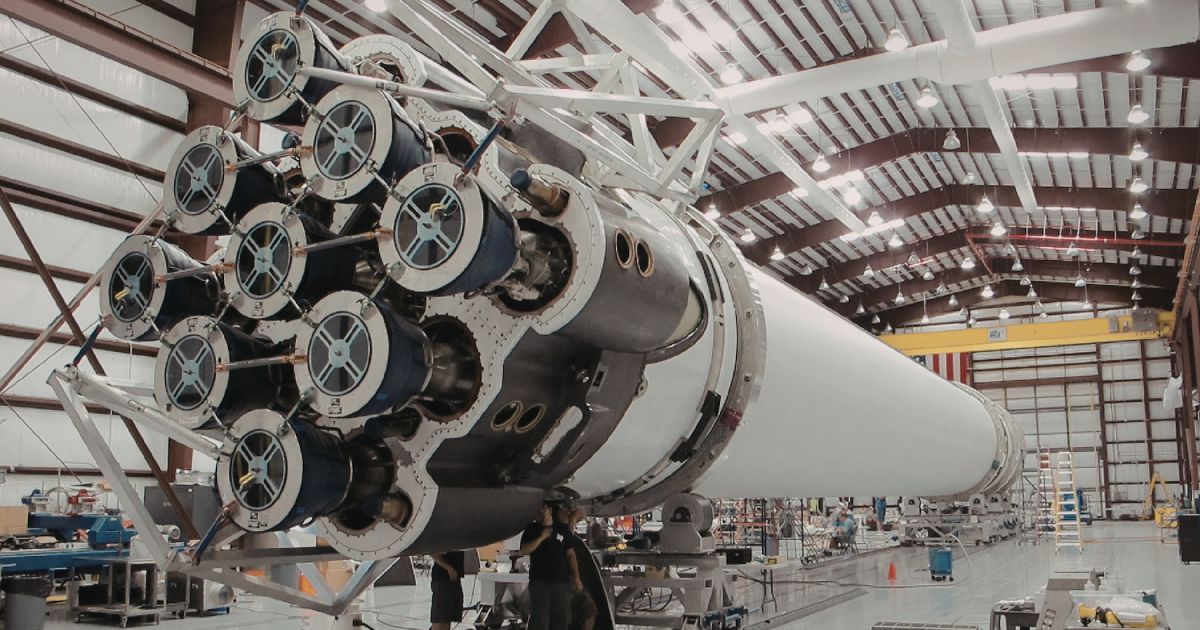
A large rocket structure in an assembly facility, showing one of the many the applications of aluminum extrusions in aerospace.

Key Takeaways:

  • Poor extrusion design increases cost, complexity, and failure risk. Many aerospace programs overcomplicate assemblies due to avoidable design inefficiencies at the extrusion stage.
  • Designing for larger extrusions reduces part count and improves structural integrity. Leveraging large-profile capabilities enables stronger, lighter structures with fewer joints and welds.
  • Early collaboration with extrusion experts accelerates time to production. Aligning design with manufacturing capabilities upfront minimizes redesigns and shortens program timelines.

Aerospace aluminum extrusion design directly impacts the strength, weight, manufacturability, and cost of aerospace structures. Yet many programs still rely on complex assemblies that require excessive fasteners, welds, and secondary operations, increasing both production costs and structural risk. By designing larger, more integrated aluminum extrusions from the start, engineers can reduce part counts, simplify assembly, and improve overall performance. Understanding the key design considerations early helps aerospace teams move from concept to production more efficiently while meeting demanding structural requirements.

Why Poor Extrusion Design Increases Cost and Risk

When extrusion design is treated as secondary, downstream challenges are often created. For example, complex geometries can increase part counts and assembly time. In addition, more fasteners and welds may be required, which raises both cost and risk. Structural inefficiencies can also be introduced, especially at stress concentration points.

According to the Federal Aviation Administration, simplified load paths and fewer discontinuities are preferred in aerospace structures. Therefore, extrusion design for reduced assembly should be prioritized early. When profiles are designed to carry more function, fewer downstream corrections are needed.

Designing Larger Extrusions to Reduce Assembly Complexity

Today, large aluminum extrusions for aerospace are being used more frequently to simplify structures. Engineers can design aerospace structural aluminum profiles that integrate more functionality.

As a result, several benefits can be realized:

  • Part counts are reduced
  • Mechanical fastening is minimized
  • Load distribution is improved
  • Structural integrity is strengthened

This approach has been supported by research from NASA, where integrated structures are often emphasized for lightweight performance. Additionally, access to large aluminum extrusion capabilities allows more ambitious designs to be produced at scale.

Designing for Fewer Joints with Friction Stir Welding

Material selection is a key factor in aerospace aluminum extrusion design. High-strength alloys, especially in the 2xxx and 7xxx series, are widely used for demanding applications. However, hard alloy extrusion design considerations must be carefully evaluated.

For instance, these materials can be more difficult to extrude due to their strength. Tight process control is required, and geometry must be optimized. Wall thickness variation should also be minimized to ensure consistency.
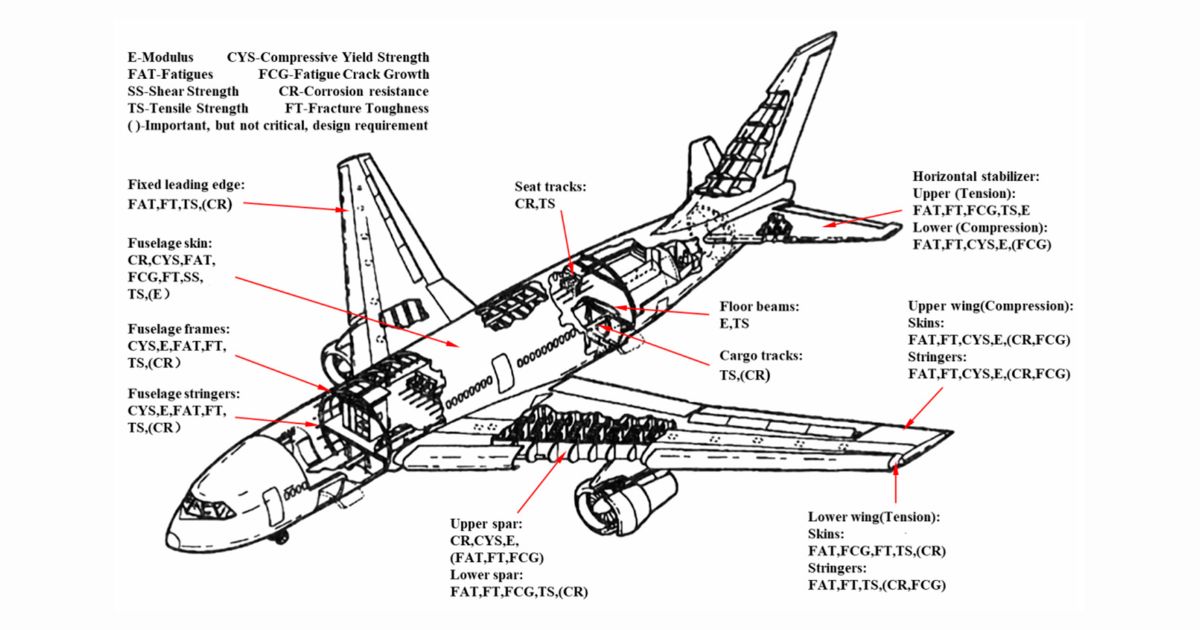
The Aluminum Association provides guidance on alloy performance and selection. Learn more about how these materials can be applied effectively when design and process are aligned.

Designing for Fewer Joints with Friction Stir Welding

Even with larger extrusions, some joining will still be required. In these cases, friction stir welding aerospace aluminum applications offer a strong solution. This process produces high-quality joints with low distortion.

As a result, several advantages are gained:

  • Stronger, more consistent welds
  • Improved fatigue performance
  • Reduced need for mechanical fastening
  • Greater flexibility in large structures

By incorporating friction stir welding for aerospace structures early in the design phase, engineers can simplify assemblies and achieve better performance outcomes.

Aluminum Extrusion Tolerances for Aerospace Applications

Aluminum extrusion tolerances aerospace requirements become more complex as profiles increase in size. Therefore, extrusion design guidelines must account for this early in development.

Designers should consider:

  • Dimensional variation across large profiles
  • Thermal effects during processing
  • Straightness and twist limitations

Access to large press capacity for aerospace applications helps improve consistency and control. Then, better alignment with aerospace manufacturing standards can be achieved.

Early Collaboration Improves Speed and Outcomes

Early collaboration is one of the most effective ways to improve results. When extrusion experts are involved early, risks can be reduced and timelines can be shortened.

For example, teams can:

  • Optimize aerospace structural aluminum profiles for manufacturability
  • Identify potential issues before production begins
  • Reduce redesign cycles
  • Improve scalability for long-term programs

Guidance from both NASA and the Federal Aviation Administration has shown that early engineering alignment leads to better outcomes. Through decades of successful missions and certified flight programs, both organizations have consistently demonstrated that collaboration is most effective when it begins at the earliest stages of design.

Designing the Future of Aerospace Structures

As aerospace demands evolve, structures must be lighter, stronger, and faster to produce. Aerospace aluminum extrusion design makes that possible when it is aligned with the right manufacturing partner.

Producing large aerospace structural aluminum extrusions requires far more than press capacity alone. Success depends on a combination of advanced manufacturing capabilities, engineering expertise, and integrated production processes that ensure dimensional accuracy, material consistency, and reliable performance. When extrusion, billet casting, machining, and joining technologies are coordinated under one operation, manufacturers can better control quality, reduce production variability, and streamline the path from design to finished component.

Vertically integrated aluminum extrusion facilities with high-tonnage press capacity can produce large, complex aerospace structural profiles that consolidate functionality and reduce assembly complexity. Combined with in-house billet casting, machining, and friction stir welding, these capabilities help maintain consistency, achieve tight aerospace tolerances, and deliver the strength required for demanding applications.

Early collaboration between design teams and extrusion specialists further improves outcomes. By addressing hard alloy extrusion design considerations early, engineers can reduce redesigns, improve manufacturability, and accelerate production schedules. This approach supports lighter, stronger, and more efficient aerospace structures while minimizing overall program risk.

Located in Russellville, Arkansas, these capabilities support aerospace programs throughout North America.

FAQ: Aerospace Aluminum Extrusion Design

How do large aluminum extrusions reduce part count in aerospace assemblies?2026-08-19T19:21:58+00:00

Larger, more integrated profiles allow engineers to consolidate functions that would otherwise require multiple parts, fasteners, and welds. By designing aerospace structural aluminum profiles that carry more load across fewer pieces, programs can reduce mechanical fastening, improve load distribution, and lower both assembly time and structural risk. The key is access to high-tonnage press capacity that can produce complex cross-sections in a single extrusion.

What tolerances are achievable with large aerospace aluminum extrusions?2026-08-19T19:19:59+00:00

Aerospace aluminum extrusion tolerances become more challenging as profile size increases due to dimensional variation, thermal effects during processing, and straightness and twist limitations. Working with an extrusion manufacturer that has large press capacity and tight process controls allows programs to meet demanding aerospace dimensional standards. Early design collaboration helps engineers build tolerance requirements into the profile geometry before production begins, avoiding costly redesigns.

What aluminum alloys are most used for aerospace extrusions?2026-08-19T19:19:01+00:00

High strength 2xxx and 7xxx series alloys are the most widely used for aerospace structural applications. These alloys offer the strength-to-weight ratio required for demanding load cases but require careful process control and geometry optimization during extrusion. Wall thickness variation should be minimized, and designs should account for the specific hard alloy extrusion design considerations that affect formability and consistency at scale.

Request an Aerospace Extrusion Design Consultation. Work directly with Taber’s engineering team to optimize your next aerospace extrusion for performance, manufacturability, and scale. Start designing smarter before production begins.
Request A Quote

    CONTACT INFORMATION

    YOUR PROJECT NEEDS

    Please specify extrusion alloy and length below

    If you have design files for extrusion or FSW please upload below

    Excepted file formats: jpg, pdf, png.

    Please specify FSW alloy class, welding type and panel dimensions below.

    Alloy*

    Welding Type*

    Select Billet Size *

    ANY CUI OR FCI DATA IS STRICTLY PROHIBITED FROM BEING UPLOADED DIRECTLY THROUGH THIS FORM. IF YOU NEED TO SHARE ANY SENSITIVE DATA PLEASE CONTACT A TABER SALES TEAM MEMBER AND THEY WILL PROVIDE A SECURE METHOD OF SHARING ANY SENSITIVE INFORMATION.

    4 07, 2026

    NDAA Section 836 and Aluminum Extrusions: What Defense Contractors Must Know

    2026-08-18T22:20:32+00:00July 4th, 2026|

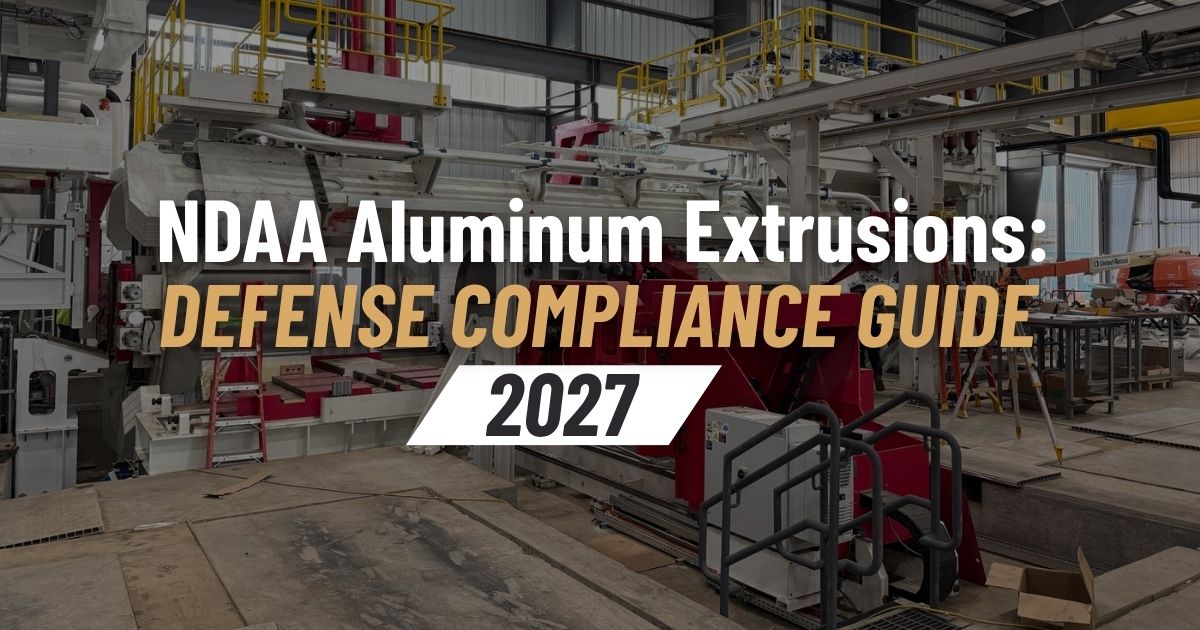
    The words “NDAA Aluminum Extrusions: DEFENSE COMPLIANCE GUIDE 2027” overlaying a darkened photo of Taber’s 10,000-ton aluminum extrusion press at their Russellville facility.

    You may have heard that NDAA Section 836 requires domestic aluminum sourcing. Here’s what’s actually true.

    NDAA Section 836 directs the Department of War, formerly Department of Defense, to open a voluntary supplier registry by January 1, 2027, where suppliers attest to sourcing compliance. Two rules are confirmed in scope: specialty metals (10 U.S.C. §4863) and covered materials (10 U.S.C. §4872) and aluminum isn’t on either list. Those rules cover steel, titanium, zirconium, nickel and cobalt alloys, plus a short list of rare-earth magnets and minerals.

    However, this guide does apply to aluminum extrusion buyers and suppliers just not through the specialty-metals route. Two frameworks are confirmed and already in motion: a July 2026 executive order requiring defense primes and subcontractors, at every tier, to map their supply chains and verify material origin, and standing Buy American Act domestic-content requirements. Those are what aluminum buyers should act on now.

    If Section 836’s registry ends up accepting Buy American Act–based attestations, domestic aluminum suppliers may be able to register there directly. DoD hasn’t published that yet, so treat it as a secondary opportunity to watch, not a confirmed path.

    Defense contractors sourcing aluminum extrusions have less than six months to get their supply chain documentation in order before January 1, 2027, when NDAA Section 836‘s registry opens and the executive order’s sourcing-waiver changes take effect. For procurement teams, the risk is straightforward: if material origin can’t be verified, suppliers may not qualify for defense programs, regardless of which specific registry or rule ultimately applies

    This NDAA aluminum guide explains what Section 836 requires, how buyers should evaluate aluminum extrusion suppliers, and what steps should be taken before 2027 supplier qualification cycles begin.

    What NDAA Section 836 Requires for Aluminum Sourcing

    NDAA Section 836 opens a voluntary DoD registry for suppliers to attest sourcing compliance.

    For aluminum procurement teams, three facts matter:

    1. Aluminum extrusions aren’t classified as a specialty metal under DFARS 252.225-7009 specifically. Although aluminum alloy fits the “alloy” definition, currently that clause covers steel, titanium, zirconium, and nickel/cobalt alloys.
    2. A July 2026 executive order requires defense primes and subcontractors, at every tier, to map their supply chains and verify material origin. This is what reaches aluminum extrusion suppliers today, independent of the Section 836 registry.
    3. Contractors must be able to document compliance through traceable material records.

    This is general guidance based on publicly available federal sourcing regulations as of August 2026. Requirements are still being finalized. Speak with your legal counsel to confirm how they apply to your specific contracts. Read the DFARS specialty metals clause in full → · Read the July 2026 executive order in full →

    WHAT BUYERS NEED TO VERIFY

    REQUIREMENT

    PROCUREMENT QUESTION

    Material Origin Where was the aluminum melted and cast?
    Manufacturing Location Where was the extrusion produced?
    Traceability Can the supplier provide heat-number tracking?
    Documentation Are CMTRs available upon request?
    Supply Chain Records Is chain-of-custody documentation available?

    Failure to verify these requirements can create sourcing delays, supplier qualification issues, and contract compliance risks.

    What “Domestic” Actually Means for Aluminum Extrusions

    One of the most common sourcing mistakes involves assuming a product qualifies as domestic simply because the extrusion press is located in the United States.

    For aluminum extrusions, buyers should evaluate the entire manufacturing chain.

    Domestic Aluminum Supply Chain

    1. Billet Production: Where was the aluminum melted and cast?

    2. Extrusion Manufacturing: Where was the profile extruded?

    3. Material Verification: Can the supplier provide Certified Mill Test Reports (CMTRs)?

    4. Traceability: Can the material be tracked through production using heat numbers and production records?

    If any of these questions cannot be answered with documentation, procurement teams should investigate further before approving the supplier.

    Documentation Procurement Teams Should Request

    • Certified Mill Test Reports (CMTRs)

    • Heat number records

    • Alloy certifications

    • Mechanical property reports

    • Chain-of-custody documentation

    • Material origin verification

    The most common compliance gaps procurement teams encounter aren’t deliberate; they’re structural. An extruder operating a U.S. press may source billet from foreign mills because domestic supply is constrained or cost differences are significant. In other words, the extrusion is American-made, but the metal isn’t. In other cases, billet is re-melted or further processed domestically before extrusion, which can obscure the original cast origin and break the traceability chain even when suppliers believe they are compliant. A third scenario involves suppliers who have historically sourced domestically but cannot produce documentation to prove it: no CMTRs on file, no heat number records, no chain-of-custody paper trail. Each of these situations looks compliant on the surface until documentation is requested. By that point, qualification timelines are already compressed.

    Many buyers discover compliance gaps only after requesting documentation. Material origin is often several tiers removed from the final extrusion supplier, making early verification essential.

    What to Look for in an NDAA-Compliant Aluminum Extrusion Supplier

    NDAA Section 836 aluminum compliance is only one part of supplier qualification.

    Defense programs require suppliers that can provide compliant material, maintain traceability, and manufacture complex aluminum profiles at production scale.

    SUPPLIER QUALIFICATION CHECKLIST

    MATERIAL SOURCING

    QUALITY SYSTEMS

    ALLOY EXPERIENCE

    MANUFACTURING CAPABILITY

    SUPPLY CHAIN STABILITY

    Domestic billet sourcing AS9100D certification 7075 Large-profile extrusion capability Multiple manufacturing facilities
    Traceable material records Aerospace quality management systems 7050 Complex hollow profile capability Established domestic manufacturing history
    CMTR availability NADCAP accreditation where applicable 5083 Structural extrusion experience Experience supporting aerospace and defense programs
    Established compliance procedures Documented inspection processes 2000-series alloys Tight-tolerance production capability
    Hard-alloy processing experience

    A supplier that satisfies sourcing requirements but lacks aluminum extrusion manufacturing capability can still create program risk.

    Why Hard Alloy and Large-Profile Capability Matters for Defense Programs

    A fully qualified defense aluminum supplier must satisfy three requirements simultaneously: domestic sourcing, documented quality systems, and the manufacturing capability to produce the required alloys and profiles. Most domestic extruders meet the first requirement. Far fewer meet all three.

    Many U.S. extrusion suppliers focus on commercial 6000-series profiles used in transportation, construction, and industrial applications. Defense and aerospace programs require significantly different capabilities such as hard alloys, large cross-sections, and dimensional tolerances that commercial presses aren’t built to hold.

    COMMON ALLOY REQUIREMENTS

    ALLOY FAMILY

    TYPICAL DEFENSE USE

    7000-series High-strength structural applications
    7050 Aerospace structural components
    7075 High-strength defense applications
    5083 Marine and structural defense applications
    2000-series Aerospace and specialized defense components

    Material selection is only part of the challenge. Profile geometry frequently determines supplier eligibility.

    Defense programs may require:

    • Large structural shapes

    • Wide profiles

    • Complex multi-void hollow extrusions

    • High-strength hard-alloy components

    • Cross-sections exceeding 140 pounds per foot ( a capability held by very few domestic extruders)

    Many domestic suppliers can manufacture standard commercial profiles. Far fewer can produce large-profile hard-alloy extrusions while maintaining the quality, dimensional control, and documentation required for defense aluminum extrusion applications.

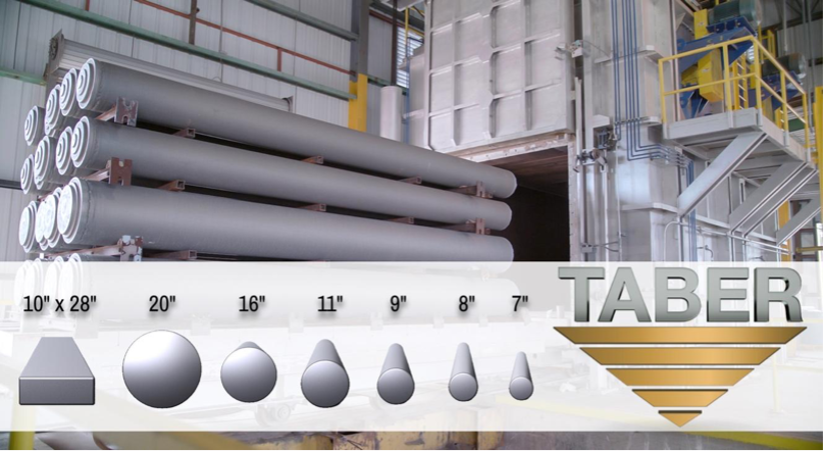
    Manufacturers like Taber Extrusions, which operates dedicated hard-alloy presses and a new 10,000-ton press platform at U.S. facilities in Arkansas and Mississippi, represent the subset of domestic extruders with both the sourcing compliance and the manufacturing capability defense programs require.

    The January 2027 Deadline: What Defense Buyers Should Do Now

    January 1, 2027 is when the confirmed requirements take effect: the executive order’s supply-chain mapping and sourcing-waiver changes begin, and DoD’s Section 836 registry opens for the suppliers it’s confirmed to cover.

    Supplier qualification commonly requires 90 to 180 days and may include:

    • NDA execution

    • Technical review

    • Sample production

    • Material testing

    • Quality audits

    • Internal approval processes

    Organizations waiting until late 2026 may face supplier bottlenecks and compressed qualification schedules.

    RECOMMENDED PROCUREMENT TIMELINE

    DATE

    ACTION

    July-August 2026 Audit current aluminum supply chain
    August-September 2026 Request CMTRs and sourcing documentation
    September-October 2026 Identify compliance gaps
    October-November 2026 Qualify alternate suppliers
    January 1, 2027 Compliance requirements take effect

    Four Actions to Take Immediately

    1. Audit Current Suppliers: Document where aluminum is melted, cast, and extruded.

    2. Request Supporting Documentation: Obtain CMTRs, material certifications, and traceability records.

    3. Identify Supply Chain Risks: Determine whether any suppliers lack sourcing visibility or compliance documentation.

    4. Begin Supplier Qualification: If gaps exist, start qualifying domestic alternatives before fourth-quarter procurement planning begins.

    FAQ: NDAA and Domestic Aluminum Extrusion Sourcing

    Does NDAA Section 836 apply to commercial off-the-shelf (COTS) aluminum parts?2026-08-18T22:29:25+00:00

    DFARS specialty-metals COTS exemptions apply to steel, titanium, zirconium, and nickel/cobalt alloys, not aluminum, which isn’t covered by that restriction in the first place. Consult your contracting officer or legal counsel on how Buy American Act and general domestic-sourcing rules apply to your specific aluminum COTS parts.

    What happens if a current supplier cannot verify NDAA compliance?2026-07-21T19:46:19+00:00

    Procurement teams that cannot verify domestic sourcing face potential contract compliance risk and may need to qualify an alternate supplier before the next order cycle. The January 2027 deadline gives teams a limited window to identify gaps and begin qualification before fourth-quarter procurement planning begins.

    How long does defense supplier qualification typically take for aluminum extrusions?2026-07-21T19:44:45+00:00

    Qualification timelines vary by program but commonly require 90 to 180 days. The process may include NDA execution, technical review, sample production, material testing, quality audits, and internal approval. Organizations beginning qualification in late 2026 risk compressed timelines ahead of the January 2027 deadline.

    What counts as a domestic aluminum extrusion supplier?2026-08-18T22:28:23+00:00

    A domestic supplier melts and casts aluminum billet within the United States and performs the extrusion process at a U.S. facility. Foreign-cast billet that’s later extruded domestically doesn’t qualify as domestic. This standard comes from Buy American Act and general DFARS domestic-sourcing rules, not the specialty-metals clause (252.225-7009), which doesn’t cover aluminum.

    What is the difference between NDAA compliance and DFARS compliance?2026-08-18T22:26:37+00:00

    NDAA sets the underlying policy; DFARS is how it shows up in individual contract clauses. For aluminum, the relevant DFARS provisions are the Buy American Act domestic-content clauses, not the specialty-metals restriction in DFARS 252.225-7009, which applies to steel, titanium, zirconium, and nickel/cobalt alloys instead.

    Does it matter where the billet was cast if the extrusion is produced in the United States?2026-07-21T19:39:41+00:00

    Yes. Buyers should verify both billet origin and manufacturing location when evaluating compliance requirements.

    What documentation proves NDAA-compliant aluminum sourcing?2026-07-21T19:38:49+00:00

    Procurement teams typically request Certified Mill Test Reports (CMTRs), heat-number traceability records, alloy certifications, and supporting chain-of-custody documentation.

    Does NDAA Section 836 apply to all aluminum in defense contracts?2026-08-18T22:23:38+00:00

    Not under what’s confirmed so far. The registry attests compliance with specialty metals and covered materials rules, and aluminum isn’t on either list. DoD hasn’t finished publishing the registry’s full eligibility criteria, so broader paths, like Buy American Act–based registration, aren’t confirmed yet. What is certain: aluminum extrusion suppliers are affected by a separate July 2026 executive order requiring supply-chain mapping and verification.

    Preparing Your Aluminum Supply Chain for 2027

    Defense procurement teams have a narrow window to verify aluminum sourcing, close documentation gaps, and qualify compliant suppliers before January 2027. Taber Extrusions has manufactured aluminum extrusions from domestically cast billets for more than 50 years, across two U.S. facilities in Russellville, Arkansas and Gulfport, Mississippi. With hard-alloy capability in 2000, 5000, and 7000-series alloys, large-profile extrusion exceeding 140 lbs./ft, and a new 10,000-ton press platform, Taber supports defense programs that require both domestic-sourcing documentation and manufacturing capability.

    Buy American Act–compliant aluminum extrusions in hard alloys and large cross-sections, from domestic billets, at two U.S. facilities. Contact Taber to discuss your specifications.

    Request A Quote

      CONTACT INFORMATION

      YOUR PROJECT NEEDS

      Please specify extrusion alloy and length below

      If you have design files for extrusion or FSW please upload below

      Excepted file formats: jpg, pdf, png.

      Please specify FSW alloy class, welding type and panel dimensions below.

      Alloy*

      Welding Type*

      Select Billet Size *

      ANY CUI OR FCI DATA IS STRICTLY PROHIBITED FROM BEING UPLOADED DIRECTLY THROUGH THIS FORM. IF YOU NEED TO SHARE ANY SENSITIVE DATA PLEASE CONTACT A TABER SALES TEAM MEMBER AND THEY WILL PROVIDE A SECURE METHOD OF SHARING ANY SENSITIVE INFORMATION.

      18 05, 2026

      Why Hard Alloy Aluminum Extrusions Are Critical for Large Aerospace Structures

      2026-05-18T23:32:08+00:00May 18th, 2026|

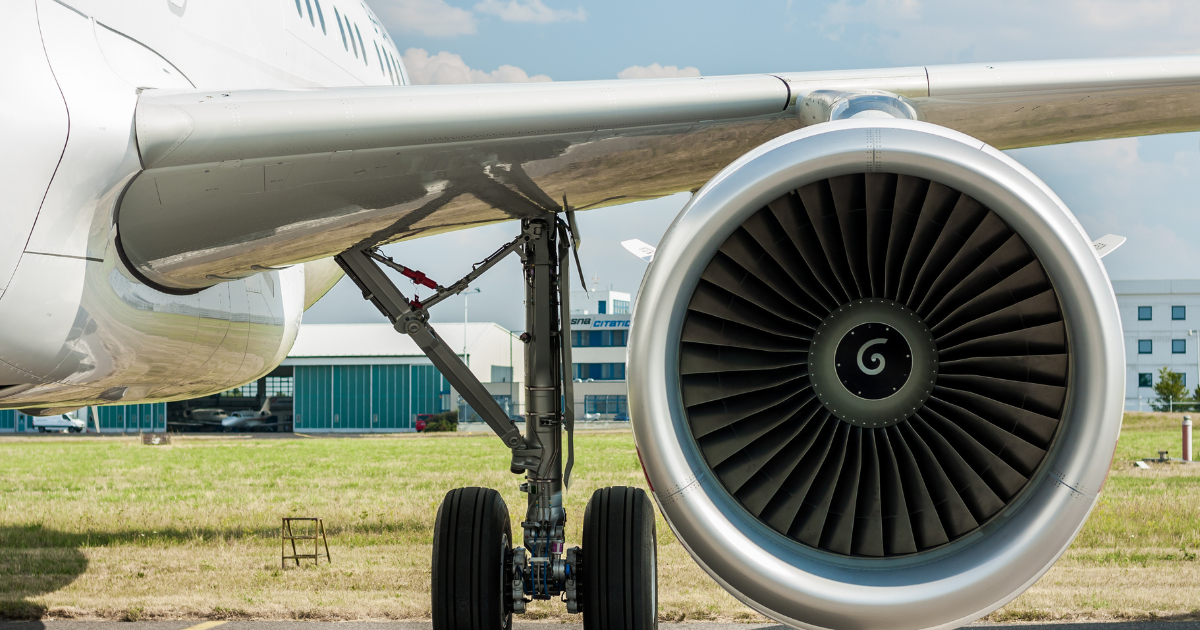
      Detailed close-up of a jet engine turbine which highlights the complex engineering applications of hard alloy aluminum extrusions in aviation.

      Key Takeaways:

      • Aircraft structures must withstand extreme stress, fatigue, and long service lifecycles while maintaining tight tolerances, making material selection a critical engineering challenge.
      • Large, monolithic extrusions reduce the need for fasteners, lowering weight and minimizing fatigue failure points in high-load aerospace applications.
      • Process control determines long-term reliability. Consistent billet quality, controlled extrusion parameters, and proper grain direction are essential to achieving predictable performance in flight-critical components.

      Hard alloy aluminum extrusions play a critical role in modern aerospace engineering. As aircraft platforms scale up, weight must be reduced while structural integrity is maintained. Tolerances are required to remain tight across long spans and thick cross-sections. Moreover, every component must meet strict fatigue-life and certification standards. As a result, the industry has shifted from small, fastened assemblies to large, integrated aerospace profiles. These hard-alloy extrusions carry high loads and maintain stability under decades of cyclic stress, forming the structural backbone of next-generation aircraft.

      The Metallurgical Necessity of Hard Alloys

      Primary aerospace structures endure decades of vibration, cyclic loading, and temperature extremes. For this reason, aerospace-grade aluminum components are required to deliver high damage tolerance and predictable failure modes. Hard-alloy extrusions in the 2xxx and 7xxx series provide the tensile strength these applications demand. In contrast, softer 6xxx alloys used in architectural or automotive sectors are not engineered for sustained high stress. NASA research has shown that aluminum remains the preferred material for large structural members due to its balance of weight efficiency and fracture toughness.

      In practice, 7075 and 7050 alloys are specified for their superior yield strength. Meanwhile, the 2xxx series is selected when fatigue resistance governs design. Thick-wall extrusions can be produced to withstand the bending loads seen in wing spars and fuselage frames. As such, material selection is driven by long-term structural performance, not convenience.

      Precision at Scale: The Role of Large Press Capability

      The shift to larger aircraft components creates manufacturing challenges. As profile cross-sections increase, uniform mechanical properties become harder to maintain. For this reason, large press capability is required in aerospace production.

      Wide, complex profiles can be produced in a single piece using large-scale presses. Monolithic structures are formed instead of assemblies built from multiple riveted parts. This then reduces fatigue initiation points. Fewer joints create a lighter airframe and simplify OEM assembly.

      In addition, hard-alloy aluminum extrusion manufacturing technology is used to control grain flow along specific load paths. Grain direction is managed during extrusion to improve resistance to stress corrosion cracking. Consequently, flight-critical components achieve greater long-term durability.

      Design-Phase Considerations for Structural Aluminum

      Material selection in the early design phase directly impacts long-term program performance. For example, technical teams searching “aerospace structural aluminum components” are evaluating how specific alloys perform over thousands of flight hours. Data-driven decisions at this stage reduce downstream risk.

      Equally important is functional integration. High-load aluminum profiles can include built-in stiffeners or attachment points, which reduces secondary machining and heavy fasteners. Still, complex geometries demand precise control of metal flow during extrusion.

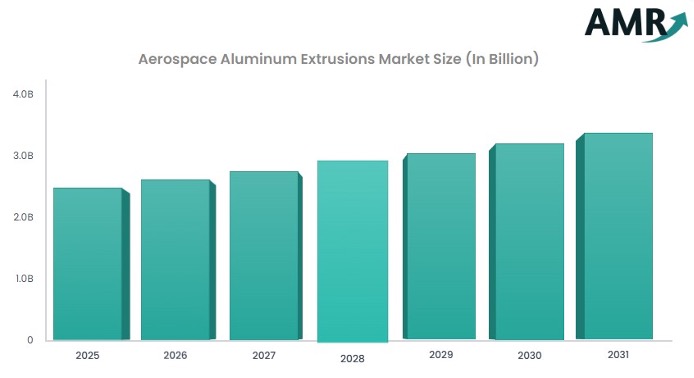
      Meanwhile, market data from Archive Market Research projects continued growth in demand for specialized extrusions through 2030. This trend is driven by fuel-efficient airframe design and a strong robust Maintenance, Repair, and Overhaul (MRO) sector. Despite increased composite use, hard alloy extrusions remain critical to the high-load structural framework of modern aircraft.

      Manufacturing Excellence and Process Control

      The quality of the final product is as much a result of the process as it is the alloy choice. Precision aerospace extrusions require meticulous control over temperature, extrusion speed, and cooling rates. Variations in these factors can lead to internal stresses or inconsistent hardness, jeopardizing the safety of aluminum alloys for flight-critical structures.

      The process begins with the aluminum billet. Controlling the chemistry and casting of the billet is the only way to ensure predictable results at the press. For hard alloys, which are less forgiving than standard aluminum, this level of metallurgical oversight is mandatory. Industry standards, such as those highlighted by the FAA and the Air Force Research Laboratory, emphasize that a component’s processing history is just as vital as its final dimensions.

      Supporting the Next Generation of Flight

      Modern aviation requires thick-wall profiles and high-load, large aluminum extrusions. As a result, a manufacturing partner with deep hard-alloy expertise is essential. Taber Extrusions delivers the large-press capacity and metallurgical control required to meet aerospace standards.

      In addition, billet production is vertically integrated to ensure chemistry and consistency are controlled from the start. Wide, high-strength profiles can be produced by Taber that many standard extruders cannot support. From fuselage frames to internal load paths, components are manufactured to perform as specified in mission-critical environments.

      For aerospace teams evaluating materials or validating partners for flight-critical structures, the expertise behind the extrusion process is the ultimate safeguard of quality and performance.

      Looking for a partner capable of producing large, high-strength aluminum extrusions for aerospace applications? Fill out the form below to connect with an extrusion specialist experienced in hard alloys, tight tolerances, and mission-critical performance.

      Request A Quote

        CONTACT INFORMATION

        YOUR PROJECT NEEDS

        Please specify extrusion alloy and length below

        If you have design files for extrusion or FSW please upload below

        Excepted file formats: jpg, pdf, png.

        Please specify FSW alloy class, welding type and panel dimensions below.

        Alloy*

        Welding Type*

        Select Billet Size *

        ANY CUI OR FCI DATA IS STRICTLY PROHIBITED FROM BEING UPLOADED DIRECTLY THROUGH THIS FORM. IF YOU NEED TO SHARE ANY SENSITIVE DATA PLEASE CONTACT A TABER SALES TEAM MEMBER AND THEY WILL PROVIDE A SECURE METHOD OF SHARING ANY SENSITIVE INFORMATION.

        Go to Top