Designing Large Aluminum Extrusions for Aerospace: From Concept to Flight-Ready Structures
Key Takeaways:
- Poor extrusion design increases cost, complexity, and failure risk. Many aerospace programs overcomplicate assemblies due to avoidable design inefficiencies at the extrusion stage.
- Designing for larger extrusions reduces part count and improves structural integrity. Leveraging large-profile capabilities enables stronger, lighter structures with fewer joints and welds.
- Early collaboration with extrusion experts accelerates time to production. Aligning design with manufacturing capabilities upfront minimizes redesigns and shortens program timelines.
Aerospace aluminum extrusion design directly impacts the strength, weight, manufacturability, and cost of aerospace structures. Yet many programs still rely on complex assemblies that require excessive fasteners, welds, and secondary operations, increasing both production costs and structural risk. By designing larger, more integrated aluminum extrusions from the start, engineers can reduce part counts, simplify assembly, and improve overall performance. Understanding the key design considerations early helps aerospace teams move from concept to production more efficiently while meeting demanding structural requirements.
Why Poor Extrusion Design Increases Cost and Risk
When extrusion design is treated as secondary, downstream challenges are often created. For example, complex geometries can increase part counts and assembly time. In addition, more fasteners and welds may be required, which raises both cost and risk. Structural inefficiencies can also be introduced, especially at stress concentration points.
According to the Federal Aviation Administration, simplified load paths and fewer discontinuities are preferred in aerospace structures. Therefore, extrusion design for reduced assembly should be prioritized early. When profiles are designed to carry more function, fewer downstream corrections are needed.
Designing Larger Extrusions to Reduce Assembly Complexity
Today, large aluminum extrusions for aerospace are being used more frequently to simplify structures. Engineers can design aerospace structural aluminum profiles that integrate more functionality.
As a result, several benefits can be realized:
- Part counts are reduced
- Mechanical fastening is minimized
- Load distribution is improved
- Structural integrity is strengthened
This approach has been supported by research from NASA, where integrated structures are often emphasized for lightweight performance. Additionally, access to large aluminum extrusion capabilities allows more ambitious designs to be produced at scale.
Designing for Fewer Joints with Friction Stir Welding
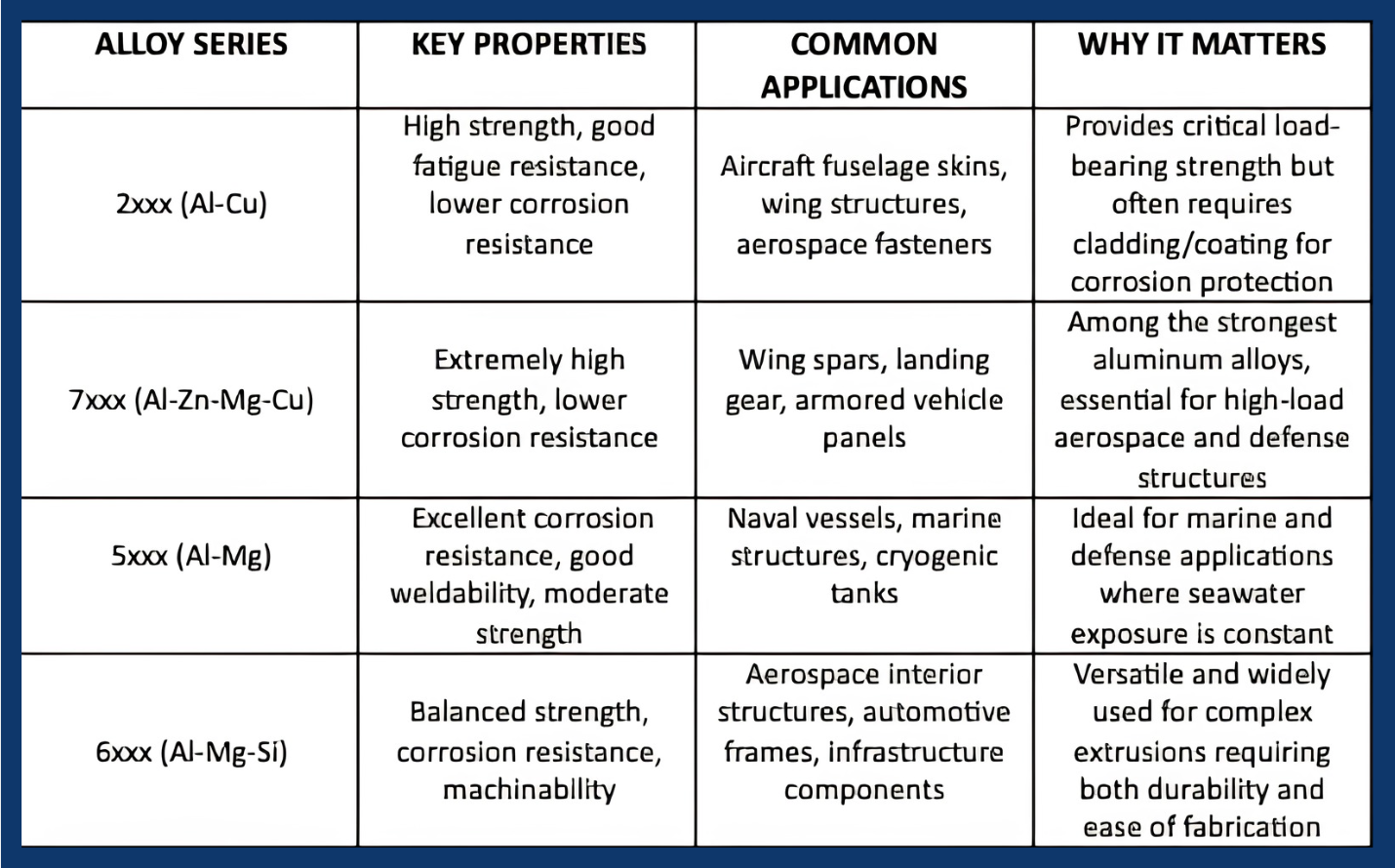
Material selection is a key factor in aerospace aluminum extrusion design. High-strength alloys, especially in the 2xxx and 7xxx series, are widely used for demanding applications. However, hard alloy extrusion design considerations must be carefully evaluated.
For instance, these materials can be more difficult to extrude due to their strength. Tight process control is required, and geometry must be optimized. Wall thickness variation should also be minimized to ensure consistency.
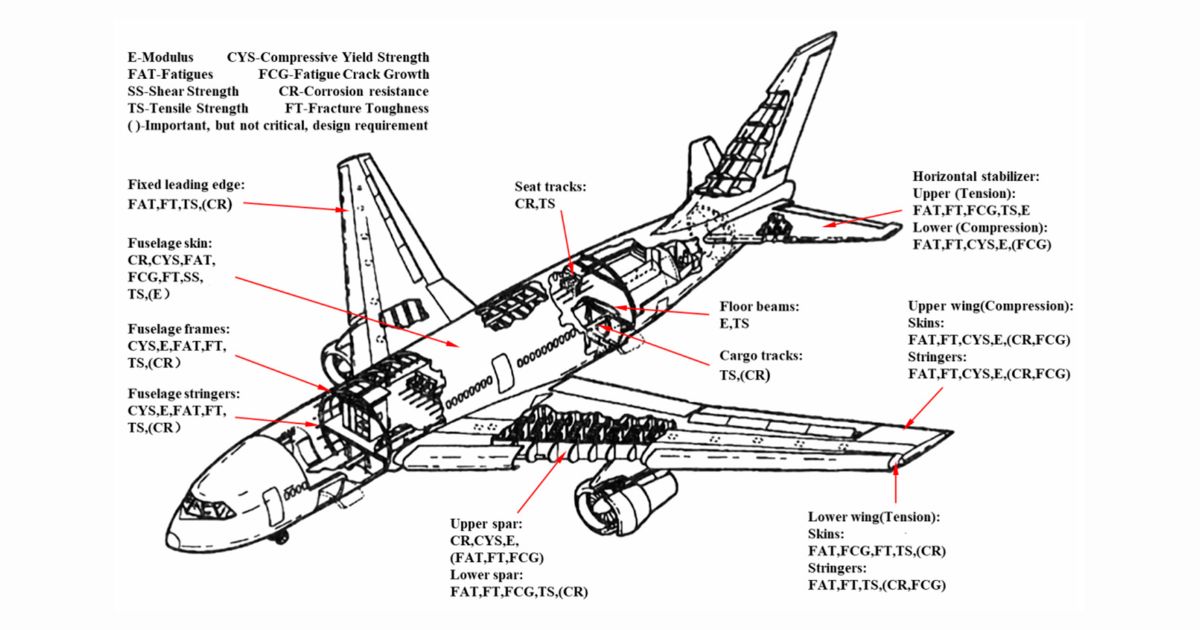
Image Attribution: https://www.mdpi.com/2075-4701/11/5/718
The Aluminum Association provides guidance on alloy performance and selection. Learn more about how these materials can be applied effectively when design and process are aligned.
Designing for Fewer Joints with Friction Stir Welding
Even with larger extrusions, some joining will still be required. In these cases, friction stir welding aerospace aluminum applications offer a strong solution. This process produces high-quality joints with low distortion.
As a result, several advantages are gained:
- Stronger, more consistent welds
- Improved fatigue performance
- Reduced need for mechanical fastening
- Greater flexibility in large structures
By incorporating friction stir welding for aerospace structures early in the design phase, engineers can simplify assemblies and achieve better performance outcomes.
Aluminum Extrusion Tolerances for Aerospace Applications
Aluminum extrusion tolerances aerospace requirements become more complex as profiles increase in size. Therefore, extrusion design guidelines must account for this early in development.
Designers should consider:
- Dimensional variation across large profiles
- Thermal effects during processing
- Straightness and twist limitations
Access to large press capacity for aerospace applications helps improve consistency and control. Then, better alignment with aerospace manufacturing standards can be achieved.
Early Collaboration Improves Speed and Outcomes
Early collaboration is one of the most effective ways to improve results. When extrusion experts are involved early, risks can be reduced and timelines can be shortened.
For example, teams can:
- Optimize aerospace structural aluminum profiles for manufacturability
- Identify potential issues before production begins
- Reduce redesign cycles
- Improve scalability for long-term programs
Guidance from both NASA and the Federal Aviation Administration has shown that early engineering alignment leads to better outcomes. Through decades of successful missions and certified flight programs, both organizations have consistently demonstrated that collaboration is most effective when it begins at the earliest stages of design.
Designing the Future of Aerospace Structures
As aerospace demands evolve, structures must be lighter, stronger, and faster to produce. Aerospace aluminum extrusion design makes that possible when it is aligned with the right manufacturing partner.
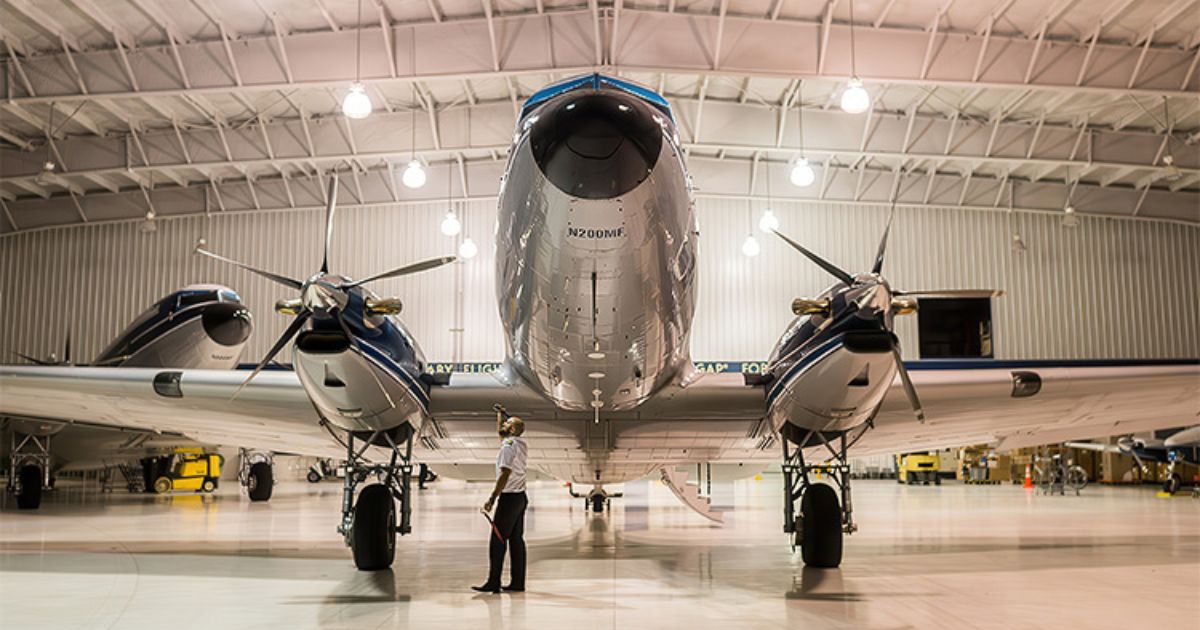
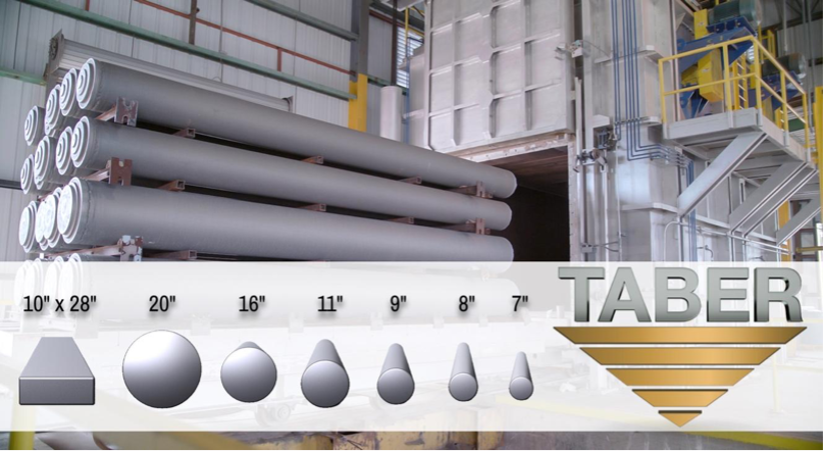
Producing large aerospace structural aluminum extrusions requires far more than press capacity alone. Success depends on a combination of advanced manufacturing capabilities, engineering expertise, and integrated production processes that ensure dimensional accuracy, material consistency, and reliable performance. When extrusion, billet casting, machining, and joining technologies are coordinated under one operation, manufacturers can better control quality, reduce production variability, and streamline the path from design to finished component.
Vertically integrated aluminum extrusion facilities with high-tonnage press capacity can produce large, complex aerospace structural profiles that consolidate functionality and reduce assembly complexity. Combined with in-house billet casting, machining, and friction stir welding, these capabilities help maintain consistency, achieve tight aerospace tolerances, and deliver the strength required for demanding applications.
Early collaboration between design teams and extrusion specialists further improves outcomes. By addressing hard alloy extrusion design considerations early, engineers can reduce redesigns, improve manufacturability, and accelerate production schedules. This approach supports lighter, stronger, and more efficient aerospace structures while minimizing overall program risk.
Located in Russellville, Arkansas, these capabilities support aerospace programs throughout North America.
FAQ: Aerospace Aluminum Extrusion Design
Larger, more integrated profiles allow engineers to consolidate functions that would otherwise require multiple parts, fasteners, and welds. By designing aerospace structural aluminum profiles that carry more load across fewer pieces, programs can reduce mechanical fastening, improve load distribution, and lower both assembly time and structural risk. The key is access to high-tonnage press capacity that can produce complex cross-sections in a single extrusion.
Aerospace aluminum extrusion tolerances become more challenging as profile size increases due to dimensional variation, thermal effects during processing, and straightness and twist limitations. Working with an extrusion manufacturer that has large press capacity and tight process controls allows programs to meet demanding aerospace dimensional standards. Early design collaboration helps engineers build tolerance requirements into the profile geometry before production begins, avoiding costly redesigns.
High strength 2xxx and 7xxx series alloys are the most widely used for aerospace structural applications. These alloys offer the strength-to-weight ratio required for demanding load cases but require careful process control and geometry optimization during extrusion. Wall thickness variation should be minimized, and designs should account for the specific hard alloy extrusion design considerations that affect formability and consistency at scale.
Request an Aerospace Extrusion Design Consultation. Work directly with Taber’s engineering team to optimize your next aerospace extrusion for performance, manufacturability, and scale. Start designing smarter before production begins.