17 11, 2025

Aluminum Extrusion Solutions for Complex Design Challenges
2025-11-18T02:03:14+00:00November 17th, 2025|

A graphic featuring the text “Aluminum Extrusion Solutions for Complex Design Challenges” with the Taber logo centered below and stylized aluminum profiles along the bottom.

Key Takeaways:

  • Ask the right questions early. Technical (tolerances, welding, secondary services) and business (lead times, incomplete specs) factors determine project success.
  • Incomplete specs are a major risk. Missing alloy, finishing, or machining details can delay delivery and drive redesigns.
  • Choose a partner that delivers advanced aluminum extrusion solutions with precision, compliance, and reliability.

When projects are required to deliver more than simple shapes, aluminum extrusion solutions are recognized as the backbone of innovation. Meanwhile, engineers and procurement specialists are confronted with an ever-growing list of challenges, including tighter tolerances, multi-functional designs, stricter compliance requirements, and rising costs. The question is not whether aluminum extrusions can meet these demands, but whether both the technical complexity and business requirements of a project can be managed by an extrusion partner without unexpected issues arising.

What Questions Should You Ask an Extrusion Partner?

The success of an extrusion project hinges on asking the right questions up front. These go beyond “Can you make this shape?” and dive into both technical and commercial realities.

Technical Questions

  • Can you produce precision aluminum extrusions at the required tolerance?
    • Some projects demand sub-millimeter accuracy. For example, micro-extrusion is crucial for aerospace and defense components, where even slight deviations can lead to functional failures.
  • Do you offer secondary services?
    • In-house aluminum fabrication and machining capabilities can eliminate supply chain risk by reducing the need to ship parts across multiple vendors.
  • What are your welding solutions?
    • Advanced processes, such as friction stir welding, enable the creation of strong, defect-free joints that traditional welding cannot achieve.

Business Questions


  • What are your lead times, and how do you mitigate disruptions?
    • Supply chain resilience is no longer optional. With U.S. smelter output shrinking and energy competition rising (Reuters), procurement teams need assurance that partners can adapt quickly.
  • How do you handle incomplete specs?
    • A strong partner helps refine specs early, preventing cost overruns and delays later in the process.


The Risk of Incomplete Specifications

One of the most common pitfalls in extrusion projects is caused by incomplete or vague specifications. While a profile shape may be provided by engineers, alloy requirements, finishing needs, or machining details are often omitted. As a result, downstream challenges are created:

  • Incorrect alloys can compromise strength or corrosion resistance.
  • Overlooked finishing needs can delay final delivery.
  • Missing machining details often result in costly redesigns.

Furthermore, the Aluminum Association emphasizes consistency in aluminum production and use, highlighting the importance of clear communication. The most effective way to avoid these issues is to partner with an extrusion provider that collaborates during the design phase, offering engineering support to guide alloy selection, tolerances, and secondary processes.

Why These Questions Matter More Than Ever

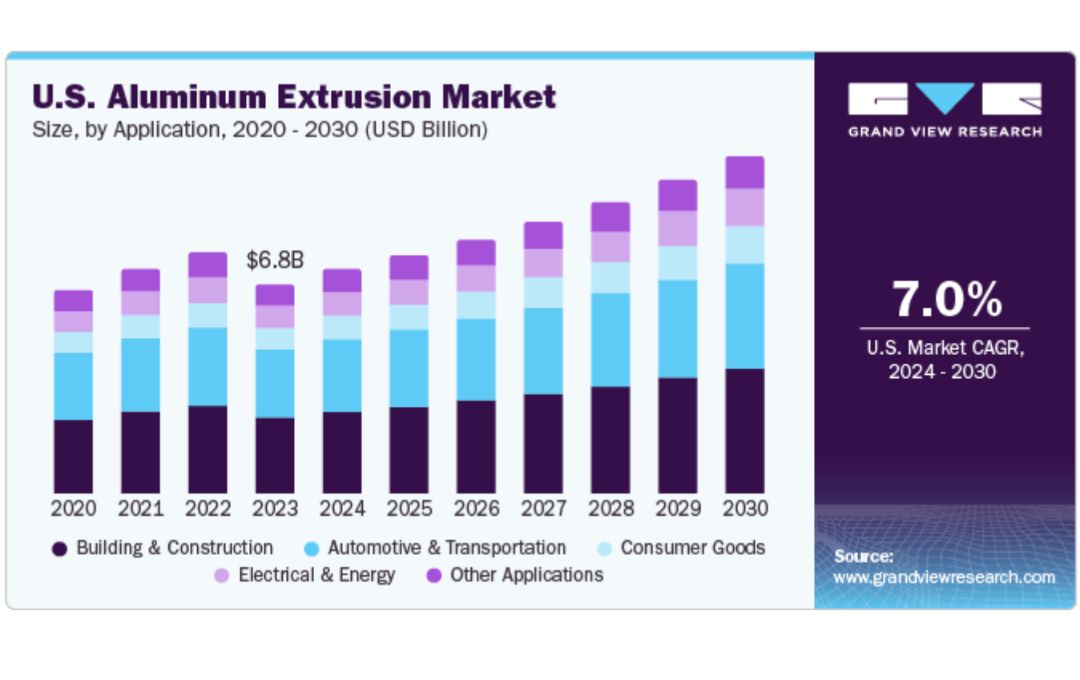
The demand for industrial aluminum extrusions is being observed to rise steadily. The U.S. market alone was valued at $6.78 billion in 2023, with growth expected to continue at a 7% CAGR through 2030 (Grand View Research). At the same time, domestic supply is placed under pressure, as only six smelters remain active in the U.S., down from 33 in 1980.
For procurement officers and engineers, two key considerations are highlighted:

  1. Capacity is critical. Projects that are larger or more complex can be accommodated by extruders equipped with advanced presses.
  2. Collaboration is essential. When specifications are unclear, partners with deep technical expertise can bridge the gap, ensuring industry standards are met while maintaining timelines.

Why Taber Extrusions Fits the Bill

After asking the tough questions, you need a partner who can deliver on both the technical and business fronts. Taber Extrusions offers.
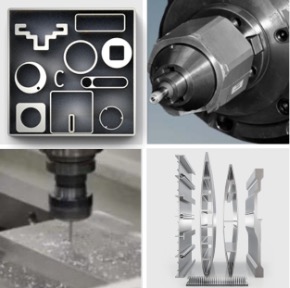
This collage-style illustration showcases four advanced processes relevant to aluminum extrusion solutions: micro-extrusion, friction stir welding, aluminum fabrication, and a precision-engineered rectangular container. Each section highlights a distinct capability within high-tolerance metal manufacturing.
  • Broad alloy capabilities across 2XXX, 5XXX, 6XXX, and 7XXX series
  • Specialty processes, including friction stir welding and micro-extrusions
  • Integrated fabrication and precision machining services
  • A proven track record across aerospace, defense, transportation, and industrial markets.

For engineers and procurement officers, this means fewer surprises and more reliable outcomes. Before committing to your next project, download Taber’s aluminum profiles resource, a starting point for understanding how different shapes and designs can support your goals.

When specifications are incomplete or challenges are complex, Taber delivers custom aluminum extrusion solutions that balance technical precision with business realities. Contact Taber Extrusions today for a complimentary consultation or request a quote to get started.

Request A Quote

    CONTACT INFORMATION

    YOUR PROJECT NEEDS

    Please specify extrusion alloy and length below

    If you have design files for extrusion or FSW please upload below

    Excepted file formats: jpg, pdf, png.

    Please specify FSW alloy class, welding type and panel dimensions below.

    Alloy*

    Welding Type*

    Select Billet Size *

    6 04, 2025

    How Advanced Aluminum Fabrication is Shaping the Future

    2025-06-16T13:11:51+00:00April 6th, 2025|

    An illustration features a light bulb with various icons inside, including a factory, a circuit board, and an airplane, symbolizing different industries. The text reads, “How Advanced Aluminum Fabrication is Shaping the Future.”

    Key Takeaways:

    • Advanced aluminum fabrication, including CNC machining and friction-stir welding, enhances strength, durability, and fuel efficiency in aerospace applications.
    • Innovative aluminum fabrication techniques are transforming how aluminum is used in high-tech industries, ensuring precision and cost-effectiveness.
    • As industries demand lighter, stronger, and more sustainable materials, aluminum fabrication techniques will continue to reshape aerospace, automotive, and defense manufacturing.
    • Taber Extrusions continues to advance aluminum fabrication for the future of aerospace, automotive, and defense.

    Advanced aluminum fabrication is a driving force behind innovation in industries where precision, performance, and efficiency are non-negotiable. From aerospace engineering to automotive design and defense applications, aluminum’s lightweight strength, durability, and infinite recyclability make it an indispensable material. Yet, what truly sets aluminum apart is the cutting-edge fabrication techniques that push its potential even further. Technologies such as friction-stir welding, CNC machining, and advanced extrusion presses are revolutionizing aluminum’s role in high-value sectors.

    This article explores how these advancements are shaping the future of aluminum fabrication, driving innovation in aerospace, automotive, and defense industries. For engineers, purchasing agents, and OEM stakeholders, keeping up with these developments isn’t just about staying informed — it’s about making strategic decisions that align with evolving industry demands.

    Aluminum Fabrication in Aerospace: Precision Meets Performance

    When it comes to aerospace applications, there’s no margin for error. Every component must meet exacting tolerances, withstand extreme conditions, and contribute to overall weight reduction, a factor critical for fuel efficiency. Advanced aluminum fabrication has become a cornerstone of aerospace manufacturing thanks to its ability to combine strength, durability, and lightness.

    One of the most significant advancements in recent years is precision aluminum machining. This computer-controlled process allows manufacturers to create complex geometries with micron-level accuracy. For instance, aircraft frames and engine components often require intricate designs that traditional methods cannot achieve. By leveraging CNC technology, fabricators can produce these parts faster and more reliably than ever before.

    Another breakthrough technique is friction-stir welding, which eliminates many drawbacks of conventional welding. Unlike traditional fusion welding, friction stir welding uses mechanical pressure and heat generated by rotating tools to join aluminum alloys. The result? Stronger bonds with minimal distortion are a game-changer for aerospace engineers who demand flawless joints in structural components.

    Beyond functionality, aerospace-grade aluminum solutions also prioritize sustainability. Aluminum is 100% recyclable without losing its core properties, making it a sustainable choice for an industry facing growing pressure to reduce carbon emissions. In fact, nearly 75% of all aluminum produced since 1888 is still in use today — a testament to its longevity and environmental benefits.

    A satellite in space with the text “Taber Does That? Journey Through Space with Us.” The image promotes Taber Extrusions’ aerospace aluminum, highlighting its role in satellite construction for reliability and performance beyond Earth’s atmosphere. The Taber Extrusions logo and website URL are displayed at the bottom.

    Custom Aluminum Fabrication for Automotive Innovation

    The automotive industry is evolving rapidly, driven by electrification, autonomous technologies, and stringent emissions regulations. As manufacturers seek to develop lighter, safer, and more efficient vehicles, advanced aluminum fabrication has become essential in achieving these goals.

    One standout application is the development of micro-extrusion capabilities, which enable the production of ultra-thin profiles and small-diameter tubes. These components are essential for cooling systems, battery enclosures, and sensor housings in electric vehicles (EVs). Micro-extrusions not only enhance thermal management but also improve energy efficiency, a crucial consideration for EV manufacturers aiming to extend range and reduce charging times.

    Beyond micro-extrusions, custom aluminum extrusion for automotive offers endless possibilities for design flexibility. Manufacturers can create bespoke shapes and sizes tailored to specific vehicle models, ensuring optimal fit and function. Because of their excellent strength-to-weight ratio, manufacturers commonly use aluminum extruded parts in chassis construction, door frames, and roof rails.

    Moreover, the integration of advanced CNC machining ensures that even the most intricate automotive components meet rigorous quality standards. Whether crafting precise mounting brackets or machining detailed surface finishes, CNC technology guarantees consistency and reliability across large-scale production runs.

    As sustainability continues to shape consumer preferences, automakers are turning to aluminum not only for its performance advantages but also for its recyclability. According to S&P Global Commodity Insights, recycling aluminum requires just 5% of the energy needed to produce primary aluminum. This makes aluminum fabrication a win-win for both manufacturers and the planet.

    Military & Defense Applications of Aluminum Fabrication

    Advanced aluminum fabrication plays a critical role in modern defense manufacturing, offering high-strength, lightweight solutions that enhance durability and performance in demanding environments.

    One notable advancement is the use of large-scale aluminum extrusion capabilities to manufacture structural components for military hardware. For example, manufacturers widely use aluminum extrusions in the frames of troop carriers, missile launchers, and radar systems. Their ability to absorb impact while maintaining structural integrity is invaluable in combat scenarios.

    : A military aircraft parked on an airstrip with the text “Military & Defense Applications of Aluminum Fabrication.”


    Friction-stir welding has also found widespread adoption in defense manufacturing. This technique enables the creation of seamless, high-strength joints in armor plating and other protective structures. Compared to traditional welding, friction-stir welding reduces material waste and enhances durability, a critical factor for equipment operating in harsh environments.

    Another growth area is the development of custom aluminum fabrication for defense electronics. Lightweight yet robust enclosures house sensitive instruments, ensuring they remain operational under extreme conditions. These enclosures often incorporate advanced CNC machining to achieve tight tolerances and smooth finishes, enhancing performance.

    Defense contractors increasingly prioritize sustainability alongside functionality. Recycled aluminum meets stringent military specifications while reducing reliance on virgin materials. This dual focus on performance and eco-friendliness underscores aluminum’s enduring appeal in defense applications.

    The Future of Aluminum Fabrication: Innovation & Sustainability

    Looking ahead, the future of aluminum fabrication lies in continued innovation and a commitment to sustainability. Artificial intelligence (AI) and automation are technological advancements set to transform manufacturing processes by enabling enhanced precision and efficiency. Meanwhile, the push for greener practices will drive demand for recycled aluminum and energy-efficient fabrication techniques.

    This infographic showcases Taber Extrusions’ advanced aluminum fabrication capabilities, including CNC machining and precision cutting and sawing. Key features such as 3-axis

    Taber Extrusions exemplifies this forward-thinking approach. With investments in state-of-the-art presses, friction-stir welding, and expanded machining capabilities, Taber is well-positioned to meet the evolving needs of high-value industries. Their commitment to excellence and creativity guarantees that clients receive top-notch products crafted to surpass expectations.

    Before exploring potential partnerships, download Taber’s free corporate brochure here to learn more about their comprehensive capabilities and industry expertise. Source precision-fabricated aluminum instead of raw materials to reduce waste and machining costs, with the bonus of supply chain reliability! Partner with Taber Extrusions for your next aluminum fabrication project.

    Fill out the form below, and discover how Taber Extrusions can elevate your projects today!

    Request A Quote

      CONTACT INFORMATION

      YOUR PROJECT NEEDS

      Please specify extrusion alloy and length below

      If you have design files for extrusion or FSW please upload below

      Excepted file formats: jpg, pdf, png.

      Please specify FSW alloy class, welding type and panel dimensions below.

      Alloy*

      Welding Type*

      Select Billet Size *

      Taber follow us icon

      Follow Us On Social Media!

      Go to Top