
18 05, 2026

Why Hard Alloy Aluminum Extrusions Are Critical for Large Aerospace Structures
2026-05-18T23:32:08+00:00May 18th, 2026|

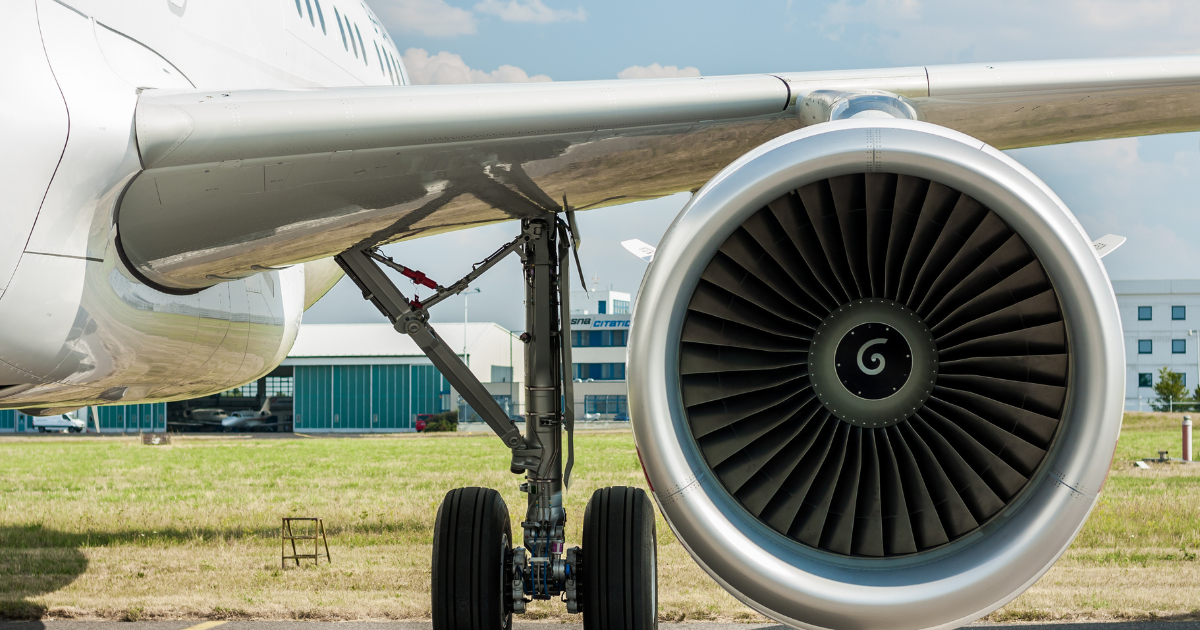
Detailed close-up of a jet engine turbine which highlights the complex engineering applications of hard alloy aluminum extrusions in aviation.

Key Takeaways:

  • Aircraft structures must withstand extreme stress, fatigue, and long service lifecycles while maintaining tight tolerances, making material selection a critical engineering challenge.
  • Large, monolithic extrusions reduce the need for fasteners, lowering weight and minimizing fatigue failure points in high-load aerospace applications.
  • Process control determines long-term reliability. Consistent billet quality, controlled extrusion parameters, and proper grain direction are essential to achieving predictable performance in flight-critical components.

Hard alloy aluminum extrusions play a critical role in modern aerospace engineering. As aircraft platforms scale up, weight must be reduced while structural integrity is maintained. Tolerances are required to remain tight across long spans and thick cross-sections. Moreover, every component must meet strict fatigue-life and certification standards. As a result, the industry has shifted from small, fastened assemblies to large, integrated aerospace profiles. These hard-alloy extrusions carry high loads and maintain stability under decades of cyclic stress, forming the structural backbone of next-generation aircraft.

The Metallurgical Necessity of Hard Alloys

Primary aerospace structures endure decades of vibration, cyclic loading, and temperature extremes. For this reason, aerospace-grade aluminum components are required to deliver high damage tolerance and predictable failure modes. Hard-alloy extrusions in the 2xxx and 7xxx series provide the tensile strength these applications demand. In contrast, softer 6xxx alloys used in architectural or automotive sectors are not engineered for sustained high stress. NASA research has shown that aluminum remains the preferred material for large structural members due to its balance of weight efficiency and fracture toughness.

In practice, 7075 and 7050 alloys are specified for their superior yield strength. Meanwhile, the 2xxx series is selected when fatigue resistance governs design. Thick-wall extrusions can be produced to withstand the bending loads seen in wing spars and fuselage frames. As such, material selection is driven by long-term structural performance, not convenience.

Precision at Scale: The Role of Large Press Capability

The shift to larger aircraft components creates manufacturing challenges. As profile cross-sections increase, uniform mechanical properties become harder to maintain. For this reason, large press capability is required in aerospace production.

Wide, complex profiles can be produced in a single piece using large-scale presses. Monolithic structures are formed instead of assemblies built from multiple riveted parts. This then reduces fatigue initiation points. Fewer joints create a lighter airframe and simplify OEM assembly.

In addition, hard-alloy aluminum extrusion manufacturing technology is used to control grain flow along specific load paths. Grain direction is managed during extrusion to improve resistance to stress corrosion cracking. Consequently, flight-critical components achieve greater long-term durability.

Design-Phase Considerations for Structural Aluminum

Material selection in the early design phase directly impacts long-term program performance. For example, technical teams searching “aerospace structural aluminum components” are evaluating how specific alloys perform over thousands of flight hours. Data-driven decisions at this stage reduce downstream risk.

Equally important is functional integration. High-load aluminum profiles can include built-in stiffeners or attachment points, which reduces secondary machining and heavy fasteners. Still, complex geometries demand precise control of metal flow during extrusion.

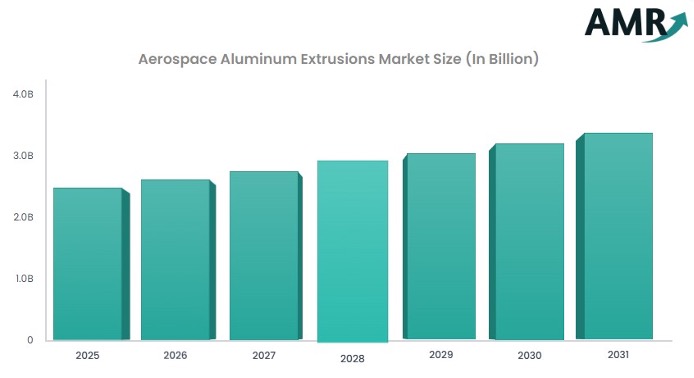
Meanwhile, market data from Archive Market Research projects continued growth in demand for specialized extrusions through 2030. This trend is driven by fuel-efficient airframe design and a strong robust Maintenance, Repair, and Overhaul (MRO) sector. Despite increased composite use, hard alloy extrusions remain critical to the high-load structural framework of modern aircraft.
Manufacturing Excellence and Process Control

The quality of the final product is as much a result of the process as it is the alloy choice. Precision aerospace extrusions require meticulous control over temperature, extrusion speed, and cooling rates. Variations in these factors can lead to internal stresses or inconsistent hardness, jeopardizing the safety of aluminum alloys for flight-critical structures.

The process begins with the aluminum billet. Controlling the chemistry and casting of the billet is the only way to ensure predictable results at the press. For hard alloys, which are less forgiving than standard aluminum, this level of metallurgical oversight is mandatory. Industry standards, such as those highlighted by the FAA and the Air Force Research Laboratory, emphasize that a component’s processing history is just as vital as its final dimensions.

Supporting the Next Generation of Flight

Modern aviation requires thick-wall profiles and high-load, large aluminum extrusions. As a result, a manufacturing partner with deep hard-alloy expertise is essential. Taber Extrusions delivers the large-press capacity and metallurgical control required to meet aerospace standards.

In addition, billet production is vertically integrated to ensure chemistry and consistency are controlled from the start. Wide, high-strength profiles can be produced by Taber that many standard extruders cannot support. From fuselage frames to internal load paths, components are manufactured to perform as specified in mission-critical environments.
For aerospace teams evaluating materials or validating partners for flight-critical structures, the expertise behind the extrusion process is the ultimate safeguard of quality and performance.

Looking for a partner capable of producing large, high-strength aluminum extrusions for aerospace applications? Fill out the form below to connect with an extrusion specialist experienced in hard alloys, tight tolerances, and mission-critical performance.
Request A Quote

    CONTACT INFORMATION

    YOUR PROJECT NEEDS

    Please specify extrusion alloy and length below

    If you have design files for extrusion or FSW please upload below

    Excepted file formats: jpg, pdf, png.

    Please specify FSW alloy class, welding type and panel dimensions below.

    Alloy*

    Welding Type*

    Select Billet Size *

    ANY CUI OR FCI DATA IS STRICTLY PROHIBITED FROM BEING UPLOADED DIRECTLY THROUGH THIS FORM. IF YOU NEED TO SHARE ANY SENSITIVE DATA PLEASE CONTACT A TABER SALES TEAM MEMBER AND THEY WILL PROVIDE A SECURE METHOD OF SHARING ANY SENSITIVE INFORMATION.

    28 04, 2024

    Aluminum Extrusions for Satellites: A Look into Taber’s Satellite Component Capabilities

    2024-07-15T22:23:06+00:00April 28th, 2024|

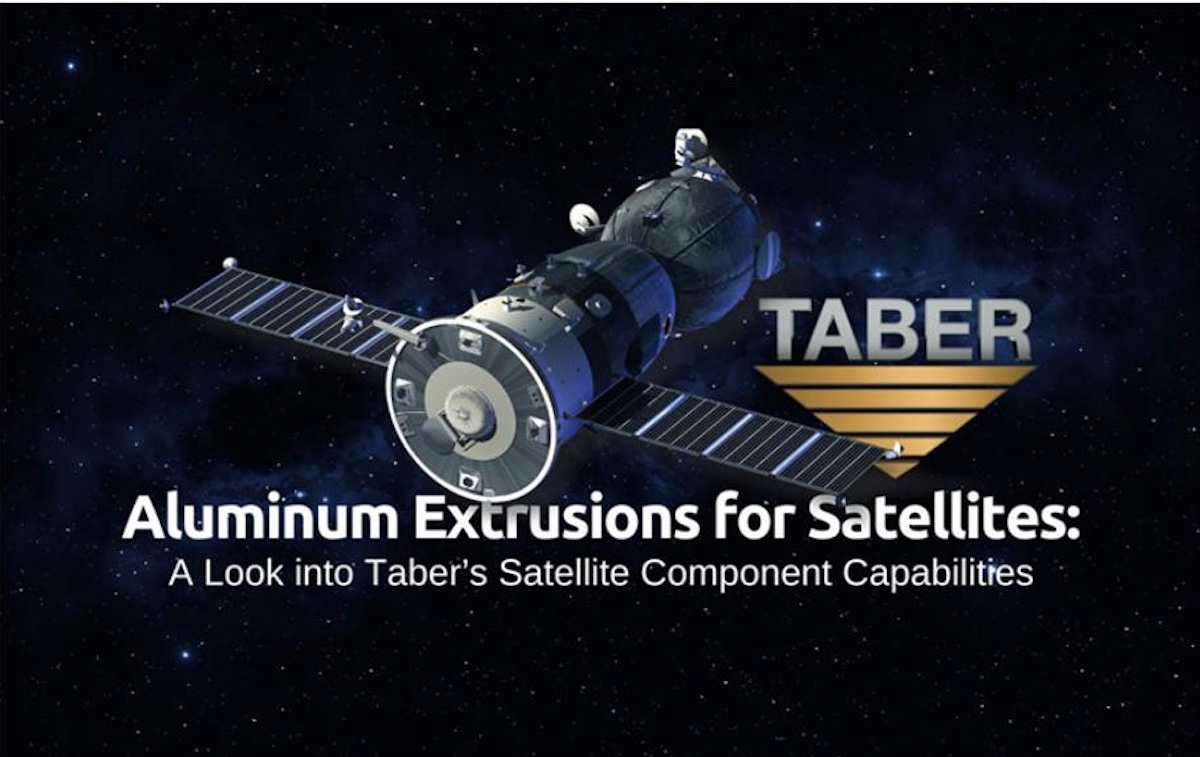
    An illustration of a satellite in orbit with the text “Aluminum Extrusions for Satellites: A Look into Taber’s Satellite Component Capabilities” and the Taber logo superimposed on a backdrop of stars, signifying Taber Extrusions’ expertise in aluminum extrusions for satellites and aerospace components.

    The vast expanse of space is a remarkable place where cutting-edge technology and innovation work hand-in-hand to achieve incredible feats. Satellites, for instance, play a crucial role in various applications, from communication and navigation to Earth observation and scientific research. However, these marvels of technology require satellite components that are not only functional but also lightweight, durable, and resistant to the harsh environment of space. In the aerospace industry, aluminum extrusions play a versatile role as they can act as structural components in spacecraft or integrate into complex mechanisms within the cockpit.

    If you’re curious about how aluminum extrusions for satellites are shaping the future of space technology, read on as we explore the various applications of this material and how Taber Extrusions, a leading aluminum extrusion company, provides innovative solutions for the defense and aerospace markets.

    The Surging Demand for Aluminum in Space

    According to various reports, the global aluminum market is projected to grow steadily in the next few years, reaching an estimated 74 million metric tons by 2025.

    The exciting news is that the aerospace industry is already looking at innovative ways to ensure the future aluminum supply can meet this demand. One such way is recycling and repurposing aluminum and its alloys, leading to further advancements in space, aircraft, and satellite component manufacturing. This means we can see more efficient ways of using the material soon.

    Why Aluminum Extrusions Excel in Space Exploration

    Did you know that aluminum extrusions play a crucial role in the success of satellites? There are several reasons why aluminum is the perfect material for these fantastic machines.

    First off, aluminum is incredibly lightweight, which is essential for satellites. By shedding even a single pound, we can save significant fuel during launch and maneuvering. This means that the right aluminum alloy can grant a satellite the ability to carry more equipment or travel even farther distances.

    But don’t let its lightness fool you — aluminum extrusions are also powerfully durable. Satellite construction often requires materials capable of withstanding immense pressure and stress during launch and space travel. As a result, certain materials have become a top choice for this purpose.

    Finally, another critical feature of aluminum is its natural resistance to radiation. Harmful radiation in space can expose satellites to severe damage, causing havoc on their sensitive components and interior. But with aluminum, we can help protect these delicate machines and ensure they continue to function flawlessly.

    So next time you look up at the stars, remember the vital role that aluminum extrusions for satellites play in helping us explore the universe!

    Beyond Satellites: A Universe of Applications

    Aluminum extrusions are shaped lengths of aluminum formed by forcing molten metal through a die that have become vital in various space and aerospace applications. Their unique combination of lightweight, high strength, corrosion resistance, and malleability makes them ideal for multiple functions beyond satellite components.

    Here’s a broader perspective on the diverse uses of aluminum extrusions in space and aerospace:

    An ample indoor space in a museum showcases various aerospace exhibits. With its complex mechanical details, the intricate spacecraft module commands immediate attention as it hangs suspended. The module’s exterior displays complex engineering, with visible pipes and metallic structures. Another exhibit, wrapped in golden material, hangs suspended nearby. Structural beams painted in yellow, and blue add an industrial aesthetic to the space. Visitors are present, observing the exhibits and indicating a public setting.

    Image Attribution: https://www.freepik.com/free-photo/process-building-space-rocket-engine_7553665.htm#fromView=search&page=1&position=48&uuid=16f26dd9-2914-4366-839e-38719c5e3ab3

    • Structural Components — Wings and Fuselages: Large, high-strength extrusions form the backbone of aircraft wings and fuselages, providing the strength and rigidity to withstand immense forces during flight.
    • Communication and Thermal Management — Radiators and Coolers: Extrusions can be shaped into fins and channels for radiators and coolers, facilitating efficient heat exchange and temperature control.
    • Supplemental Oxygen and Fluid Systems — Valves and Pumps: Specific critical components within fluid and gas systems, like valves and pumps, can be crafted from aluminum due to their strength and machinability

    What are some examples of spacecraft that utilize aluminum?

    Spacecraft engineering has been at the forefront of technological advancements for decades. These technological marvels have pushed the boundaries of human exploration and discovery, from the International Space Station to the Mars Curiosity Rover. Here, we explore the importance of aluminum extrusions in spacecraft construction and examine spacecraft that rely heavily on this material.

    • International Space Station (ISS) — This iconic structure relies on aluminum extrusions for its modules, trusses, and other components.
    • Mars Curiosity Rover — The engineers constructed this rover‘s frame and many components, exploring the Martian surface, from aluminum.
    • Orion Project NASA’s Orion spacecraft, designed for deep space exploration, utilizes aluminum extensively in its structure and various systems.
    • MBZ-SAT — The first satellite built entirely in the United Arab Emirates, MBZ-SAT also employs aluminum extrusions in its construction.
    “Taber was originally recognized for our large shapes, and now we are establishing ourselves as micro extruders. Since we’ve added micro extrusions, friction stir welding, and billet casting, we’re pretty much spanning the gamut of aluminum extrusion competence. We were already well-versed within the defense and aerospace markets, but adding miniature aluminum extrusions to our capabilities has allowed us to become a one-stop shop for our customers in those industries. Our diversification has opened the door wide for our customers.”
    – Taber Extrusions

    How Taber Extrusions Is Providing Innovative Solutions not only for Satellite Components but also for Aerospace Markets

    Taber, with its 50-year legacy, stands at the forefront of the aluminum extrusion industry, delivering a comprehensive array of products and services. Their offerings are designed to meet diverse needs, including those of the aerospace sector, for which they provide specialized aluminum extrusions for satellite components and other applications.

    Taber’s commitment to quality and tailored solutions is evident in their adherence to the rigorous specifications of the aerospace industry. They continuously innovate, developing new aluminum technologies to elevate the performance of their extrusions. The sophisticated casthouse at Taber underscores their quest for excellence, crafting superior aluminum alloys for complex aerospace applications.

    Some of the examples of Taber Extrusions’ products and services include: 

    A large metal extrusion profile with 3 hollow pieces nested inside the other. On either side of the extrusions are the words “MICRO” and “EXTRUSIONS” runs along the length of a 3-inch section of a ruler.

    Microextrusions

    In the defense and aerospace industries, where precision, complexity, and strict tolerances are non-negotiable, microextrusions play a critical role. These are offered by Taber and feature cross-sections small enough to pass through a 1-millimeter square. The utility of microextrusions extends across a wide range of applications, including communication systems, electronics thermal management, guidance and radar systems, weapons systems, and firearms components, highlighting their versatility and importance in advanced technological environments.

    Friction Stir-Welding

    Friction stir-welding, a solid-state process known for producing high-strength, defect-free joins, enables the welding of aluminum extrusions in various shapes, sizes, and alloys into complex, seamless assemblies. This technique is particularly beneficial for constructing aircraft and spacecraft components, including wings, fuselages, and panels. Beyond aerospace applications, friction stir-welding is also utilized in creating fuel tanks, heat exchangers, and battery trays, showcasing its versatility across different manufacturing needs.

    Billet Casting

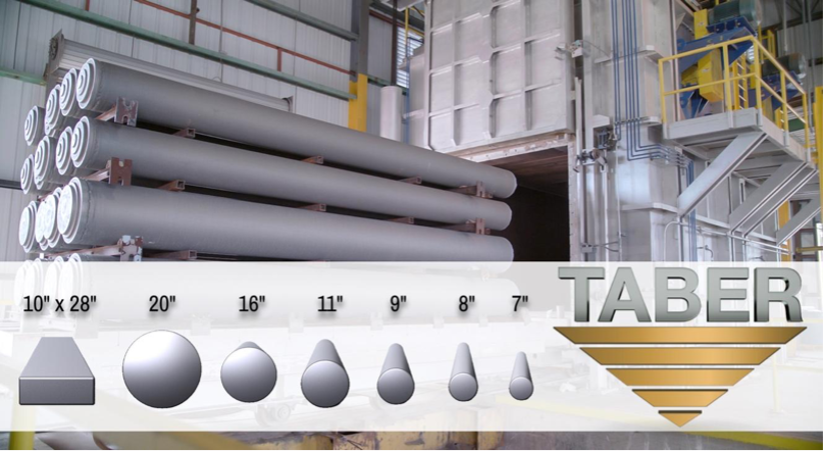
    Taber specializes in manufacturing aluminum billets for aerospace, marine, and other specialized sectors, leveraging state-of-the-art systems and the expertise of seasoned metallurgists and research engineers. The casting operations at Taber are not only ISO 9001:2008 certified but also equipped to handle a variety of billet sizes, including diameters of 7”, 8”, 9”, 11″, 16″, 20”, and 10 x 28, predominantly in the 6xxx series aluminum alloys.

    If high-quality aluminum extrusions for satellite and aerospace components are what you need, look no further than Taber. As a premiere aluminum extrusions company in the U.S., Taber is well-equipped to meet the exacting standards your project demands.

    About Taber Extrusions

    Taber Extrusions is an American aluminum extrusion company and your ideal partner for full-service aluminum extrusions. Their top priority is to deliver nothing short of the best products and services to their esteemed customers. Providing quality products and services is essential to their philosophy of adding value. Their dedication to this principle is the foundation of their business.

    Taber takes pride in its certifications, which include ISO 9001:2008, AS 9100C, and ABS Quality Assurance Program certificate no. 11-MMPQA-652. ABS Mill approves them to produce extruded aluminum alloy products for marine applications such as 5083H111, 5086H111, 5454H111, 5456H111, 6061T6, and 6082T6, with a maximum diameter of 1.0 inch, including the casting process. Choose Taber Extrusions for quality products and services that exceed your expectations… the sky’s the limit.


    If you have any queries, please visit https://www.taberextrusions.com or call Taber at 1-888-984-3795.

    Go to Top