17 11, 2025

Aluminum Extrusion Solutions for Complex Design Challenges
2025-11-18T02:03:14+00:00November 17th, 2025|

A graphic featuring the text “Aluminum Extrusion Solutions for Complex Design Challenges” with the Taber logo centered below and stylized aluminum profiles along the bottom.

Key Takeaways:

  • Ask the right questions early. Technical (tolerances, welding, secondary services) and business (lead times, incomplete specs) factors determine project success.
  • Incomplete specs are a major risk. Missing alloy, finishing, or machining details can delay delivery and drive redesigns.
  • Choose a partner that delivers advanced aluminum extrusion solutions with precision, compliance, and reliability.

When projects are required to deliver more than simple shapes, aluminum extrusion solutions are recognized as the backbone of innovation. Meanwhile, engineers and procurement specialists are confronted with an ever-growing list of challenges, including tighter tolerances, multi-functional designs, stricter compliance requirements, and rising costs. The question is not whether aluminum extrusions can meet these demands, but whether both the technical complexity and business requirements of a project can be managed by an extrusion partner without unexpected issues arising.

What Questions Should You Ask an Extrusion Partner?

The success of an extrusion project hinges on asking the right questions up front. These go beyond “Can you make this shape?” and dive into both technical and commercial realities.

Technical Questions

  • Can you produce precision aluminum extrusions at the required tolerance?
    • Some projects demand sub-millimeter accuracy. For example, micro-extrusion is crucial for aerospace and defense components, where even slight deviations can lead to functional failures.
  • Do you offer secondary services?
    • In-house aluminum fabrication and machining capabilities can eliminate supply chain risk by reducing the need to ship parts across multiple vendors.
  • What are your welding solutions?
    • Advanced processes, such as friction stir welding, enable the creation of strong, defect-free joints that traditional welding cannot achieve.

Business Questions


  • What are your lead times, and how do you mitigate disruptions?
    • Supply chain resilience is no longer optional. With U.S. smelter output shrinking and energy competition rising (Reuters), procurement teams need assurance that partners can adapt quickly.
  • How do you handle incomplete specs?
    • A strong partner helps refine specs early, preventing cost overruns and delays later in the process.


The Risk of Incomplete Specifications

One of the most common pitfalls in extrusion projects is caused by incomplete or vague specifications. While a profile shape may be provided by engineers, alloy requirements, finishing needs, or machining details are often omitted. As a result, downstream challenges are created:

  • Incorrect alloys can compromise strength or corrosion resistance.
  • Overlooked finishing needs can delay final delivery.
  • Missing machining details often result in costly redesigns.

Furthermore, the Aluminum Association emphasizes consistency in aluminum production and use, highlighting the importance of clear communication. The most effective way to avoid these issues is to partner with an extrusion provider that collaborates during the design phase, offering engineering support to guide alloy selection, tolerances, and secondary processes.

Why These Questions Matter More Than Ever

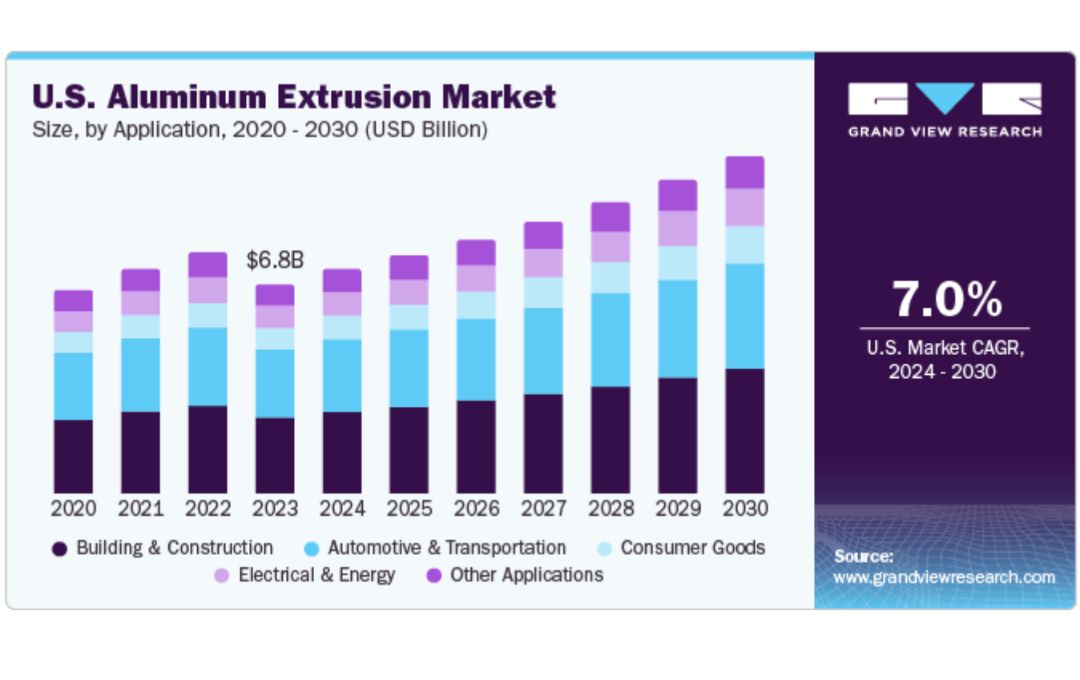
The demand for industrial aluminum extrusions is being observed to rise steadily. The U.S. market alone was valued at $6.78 billion in 2023, with growth expected to continue at a 7% CAGR through 2030 (Grand View Research). At the same time, domestic supply is placed under pressure, as only six smelters remain active in the U.S., down from 33 in 1980.
For procurement officers and engineers, two key considerations are highlighted:

  1. Capacity is critical. Projects that are larger or more complex can be accommodated by extruders equipped with advanced presses.
  2. Collaboration is essential. When specifications are unclear, partners with deep technical expertise can bridge the gap, ensuring industry standards are met while maintaining timelines.

Why Taber Extrusions Fits the Bill

After asking the tough questions, you need a partner who can deliver on both the technical and business fronts. Taber Extrusions offers.
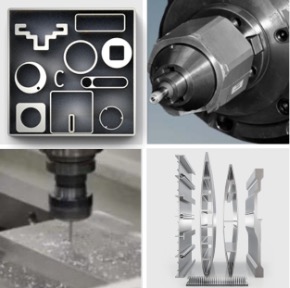
This collage-style illustration showcases four advanced processes relevant to aluminum extrusion solutions: micro-extrusion, friction stir welding, aluminum fabrication, and a precision-engineered rectangular container. Each section highlights a distinct capability within high-tolerance metal manufacturing.
  • Broad alloy capabilities across 2XXX, 5XXX, 6XXX, and 7XXX series
  • Specialty processes, including friction stir welding and micro-extrusions
  • Integrated fabrication and precision machining services
  • A proven track record across aerospace, defense, transportation, and industrial markets.

For engineers and procurement officers, this means fewer surprises and more reliable outcomes. Before committing to your next project, download Taber’s aluminum profiles resource, a starting point for understanding how different shapes and designs can support your goals.

When specifications are incomplete or challenges are complex, Taber delivers custom aluminum extrusion solutions that balance technical precision with business realities. Contact Taber Extrusions today for a complimentary consultation or request a quote to get started.
Request A Quote

    CONTACT INFORMATION

    YOUR PROJECT NEEDS

    Please specify extrusion alloy and length below

    If you have design files for extrusion or FSW please upload below

    Excepted file formats: jpg, pdf, png.

    Please specify FSW alloy class, welding type and panel dimensions below.

    Alloy*

    Welding Type*

    Select Billet Size *

    ANY CUI OR FCI DATA IS STRICTLY PROHIBITED FROM BEING UPLOADED DIRECTLY THROUGH THIS FORM. IF YOU NEED TO SHARE ANY SENSITIVE DATA PLEASE CONTACT A TABER SALES TEAM MEMBER AND THEY WILL PROVIDE A SECURE METHOD OF SHARING ANY SENSITIVE INFORMATION.

    28 11, 2023

    Micro Aluminum Extrusions: Best-Known Applications

    2023-11-28T21:00:21+00:00November 28th, 2023|

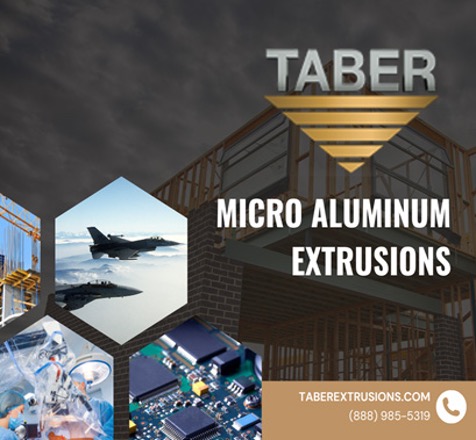
    Taber Extrusions’ company logo is above the headline “MICRO ALUMINUM EXTRUSIONS.” Four frames display the industries that Taber specializes in: jets (aerospace), motherboard (consumer electronics), hospital staff in an operating room (medical), and a construction site (industrial). Taber’s contact information is in the bottom right corner.

    When it comes to high-quality precision extrusions, Taber Extrusions is at the forefront of industries like aerospace, medical technology, and consumer electronics. While their miniature extrusions may be small, they offer a large range of functions and benefits. This makes them invaluable in modern manufacturing processes. In this post, we’ll dive into the best-known applications for micro aluminum extrusions, and how they’re changing the game in some of the world’s most important industries.

    What Are Micro Aluminum Extrusions?

    Micro aluminum extrusions are like miniature sculptures hewn from aluminum, the versatile metal that’s shaped modern progress. Taber’s expertise lies in transforming raw aluminum into highly specialized micro extrusions, meticulously tailored for each industry’s unique demands. Whether it’s about designing miniature extrusions for intricate electronics, crafting aluminum microtubing for medical devices, or engineering extrusions that navigate the skies and roads, micro aluminum extrusions are the invisible heroes behind cutting-edge innovation. To learn more about the logistics of micro extrusions, watch Taber’s informational video here.

    Advancing Medical Technology

    One of the biggest sectors that benefit from micro aluminum extrusions is the medical technology industry. These small-scale extrusions are the go-to choice for medical companies  looking to manufacture life-saving devices. Due to the superior properties of aluminum, micro aluminum extrusions is the discerning choice.

    What’s more, they are perfect for medical applications. Their precision-quality means that they can be produced to extremely tight tolerances. At Taber Extrusions, we’ve seen firsthand how micro extrusion technology has transformed the medical device market. Micro aluminum extrusions makes complex devices a reality.

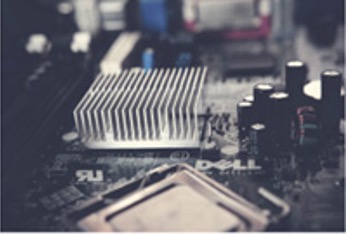
    A heatsink nested on an exposed computer’s motherboard.

    Essential in Consumer Electronics

    Another area where micro extrusions are essential is in the area of consumer electronics. Aluminum microtubing, which is strong and lightweight, has been used in a variety of products. Among the list are heat sinks on many circuit boards as well as cell phones, laptops, gaming consoles, and fitness trackers. As devices become smaller and more complex, ultra-precision aluminum extrusions have become a crucial component. For manufacturers looking to maximize both function and form, these extrusions are indispensable. Companies like Taber Extrusions are leading the charge in developing new ways to use micro extrusions in the consumer electronics sector.

    Critical in Defense and Aerospace

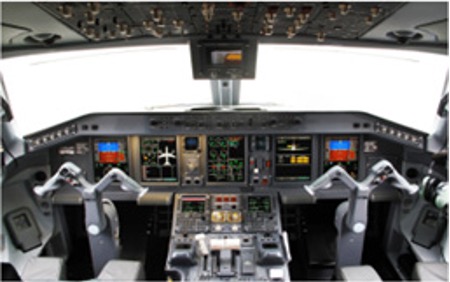
    The aerospace industry is another area where micro aluminum extrusions play a vital role. Whether it’s for public transportation or military applications, the aerospace sector demands incredibly high-quality components that can survive under extreme conditions. With their corrosion resistance, strength, and lightweight properties, these extrusions can deliver the performance that this industry requires. Such extrusions are also used in defense applications like armored vehicles, missiles, and guns.  Where strength and durability is needed, micro extrusions are an ideal choice.

    The interior of an airplane cockpit showcasing various screens and dashboard components.

    Versatile in Industrial Applications

    There are many other industries in which micro aluminum extrusions are utilized. This includes construction, where precision extrusions are used to create everything from gutters to window frames. Additionally, U.S. aluminum extrusions are used in the automotive industry to create lightweight components that can help improve fuel efficiency. Furthermore, in the manufacturing sector, micro extrusions are at the forefront of the drive towards miniaturization. Micro parts and intricate shapes are becoming increasingly common in all types of products, from heavy-duty equipment to industrial machinery.

    Micro Aluminum Extrusions Are EVERYWHERE

    In conclusion, micro aluminum extrusions are a versatile and essential component for many industries. If your interest lies in exploring micro aluminum extrusion applications or in finding the top aluminum extrusion company, your search ends here!

    At Taber Extrusions, we’re proud to be leading the way in this exciting industry. Our top-quality products have helped our clients achieve their goals time and time again.


    More About Taber Extrusions

     Established in 1973, Taber Extrusions holds its origin in pioneering the process of extruding rectangular billets. This unique capability empowers the company to craft solid profiles spanning up to 31 inches in width and hollow structures reaching 29 inches. The growth trajectory continued with the acquisition of an extrusion facility in Gulfport, MS, in 1995. This facility houses a cutting-edge cast house, two additional presses, micro-extrusion capabilities, and an expanded fabrication area that has seen multiple augmentations over the years.

    Follow Taber Extrusions

    LINKEDIN: https://www.linkedin.com/company/taberextrusions/

    FACEBOOK: https://www.facebook.com/taberextrusions/

    TWITTER: https://twitter.com/taberextrusions

    YOUTUBE: https://www.youtube.com/@TaberExtrusions

    Interested in becoming a part of the Taber Team?  Submit your resume to careers@taberextrusions.com.

    3 04, 2022

    Our Top Aluminum Microextrusion Blogs of All Time

    2022-07-08T17:14:48+00:00April 3rd, 2022|

    Blue shaded gradient over a photograph of a bridge tower and its suspension cables on the left and the U.S. flag on the right. Taber’s logo is at the very top and beneath it are the words, “The Shape of Endless Possibilities.” The logos designating minority-owned business enterprise (ISO 9001, AS 9100, NADCAP, and ABS-certified) are across the bottom in white print.

    A lot has been said about the future of nano and microtechnology. This area of aluminum extrusion, which focuses on creating ever smaller products, promises solutions to age-old problems. On the silver screen, sci-fi productions have shown nano bots crawling into humans as a futuristic form of medicine. The Terminator film franchise explored the military potential of nano technology in a self-healing liquid metal of robots. Yet, examples like these are not actually all that farfetched. From self-healing metal to invasive medicine, a whole new realm of possibilities has been opened by tiny manufacturing.

    At Taber, we are part of this revolution with our microextrusions. Like conventional aluminum extrusions, microextrusions are pushed through a die. Unlike conventional extrusions, the entire extrusion process is performed at a submillimeter level. In other words, the resulting product’s cross section can fit through a 1-millimeter square. Our microextrusions have found application in a wide range of industries, which we have previously explored in a series of articles on these miniscule creations.

    1) Taber: Microextrusions for Defense and Aerospace

    6 military jets flying across a blue sky above two military vehicles (tank and a ship) facing away from each other. The words “Taber: Microextrusions for Defense and Aerospace” are in black above the ship.

    Taber Extrusions has experienced many evolutions since its founding in the early 1970s. Taber pioneered a process for extruding rectangular billet of solid profiles up to 31 inches wide or hollows up to 29 inches. Since then, it increased Taber’s billet capacity, alloy range, and ability to reuse materials. Within the last decade, fabrication capabilities were upgraded, friction stir welding was added, and of course, microextrusions became an offering. Lightweight, strong, and widely functional, microextrusions are perfect for military and aerospace components. Interior aircraft systems, AC condensers, communication systems, and firearm components all use microextrusions. Read more about it here.

    2) Process, Benefits, and Examples of Medical Microextrusions

    A darkened photograph of a medical room with a bunch of white medical appliances. The words, “Process, Benefits, and Examples of Medical Microextrusions” are positioned on top of the photo in white.

    You don’t have to go in for a colonoscopy to understand the benefit of smaller medical tools. The microextrusions used in medicine include components that overwhelmingly support cardio- and neurovascular procedures, drug delivery, IV procedures, and other procedures that require work on a micro level. An added challenge for medical manufacturing is that conventional extrusion machinery is not quite precise enough, so it calls for special machinery. Medical microextrusions are created at a very slow rate to maintain the physical properties of the delicate material and create ultra-precise extrusions.

    3) Microextrusions in the Consumer Electronics Sector

    A lengthwise photograph of an open computer motherboard with all the different ports and circuits exposed, many of which are made of aluminum microextrusions. In the center of the photo are the words, “Microextrusions in the Consumer Electronics Sector” in white text.

    The most widespread and easy-to-spot place where miniature extrusions are making a difference in consumer products is in electronic products. Portable, durable, and complex, computational devises like laptops and smartphones have increasingly smaller parts. From enclosures to motherboards and LED profile bays, microextrusions have become a fundamental part of electronic devices. This article outlines more aspects of consumer electronics that use precision aluminum extrusions in their design.

    Often used in medical and surgical procedures, microtubing is a highly-valued type of microextrusion. Aluminum can provide three times as much volume per pound as other metal products – so when too much weight is detrimental, aluminum is an obvious choice. Aluminum is also anti-corrosive, making it an ideal material for many types of environments.

    A metal ruler lying flat on the surface of a table showing a length of 8 inches, while several aluminum microtubes are suspended above the ruler and the words “Aluminum Microtubing Rapidly Developing in Sync: Microextrusions” are in black above the ruler and on top of the tubes.
    Blue shaded gradient over a photograph of a bridge tower and its suspension cables on the left and the U.S. flag on the right. Taber’s logo is at the very top and beneath it are the words, “The Shape of Endless Possibilities.” The logos designating minority-owned business enterprise (ISO 9001, AS 9100, NADCAP, and ABS-certified) are across the bottom in white print.

    This last blog outlines Taber’s capabilities, ranging from friction stir welding to microextrusions. Through Taber’s unwavering commitment, present and future customers can expect expanded extrusion solutions, programs, and services in the coming years… and find endless possibilities. Read more about it here.

    Despite its broad application in today’s products, the potential of microextrusions is still just being explored. As miniature aluminum extrusions become smaller and more precise, industries will continue to find new ways to create futuristic solutions to modern problems. Taber offers the highest levels of quality and the broadest range of capabilities in the industry, designed to be ready for whatever design tomorrow brings.


    Taber Extrusions: Summary

    Founded in 1973, Taber Extrusions originally pioneered a process for extruding rectangular billet, enabling the company to extrude extra-large aluminum extrusion profiles up to 31 inches wide or hollows up to 29 inches. Taber expanded with the purchase of an extrusion facility in Gulfport, MS, in 1995, which houses a state-of-the-art cast house and two additional presses, micro-extrusion capabilities, and the fabrication area has been expanded multiple times.

    Taber continues to extrude billet in a wide range of alloys and sizes and has diversified its markets beyond the military since its inception to include aerospace, automotive, marine, infrastructure, and sporting goods, among many others. With in-house casting solutions, ultra-precision extrusion manufacturing, friction stir welding capacities, and a full range of hard and soft aluminum alloys, Taber continues to align itself as an industry leader in having the broadest available capabilities.

    Today, Taber Extrusions is proud of its recently added VF-12 CNC machining line and a complete offering of extruded aluminum components, value-added machining services, and raw material supply to the North American market. Adding these capabilities to a growing portfolio propels Taber into the future in a quest to continuously improve the quality and service we provide to our customers.

    Thank you for your continued support of Taber Extrusions, LLC. If you have any questions, please visit taberextrusions.com or contact one of Taber’s regional sales managers.

    Follow Taber Extrusions

    LINKEDIN: https://www.linkedin.com/company/taberextrusions/

    FACEBOOK: https://www.facebook.com/taberextrusions/

    TWITTER: https://twitter.com/taberextrusions

    16 12, 2020

    Microextrusions In The Consumer Electronics Sector

    2024-01-12T04:12:17+00:00December 16th, 2020|

    A sleek, modern wooden desk with various consumer electronics neatly organized across the top. Items include a laptop, iPad, two cell phones, small stereo speakers, and headphones.


    A SPECIAL NOTE ON VIRUSES AND BACTERIA IN RESPECT TO ALUMINUM SURFACES:

    At this time of extreme health concern, specifiers must carefully consider how material choices may impact the spread of viruses, bacteria, and infectious diseases in healthcare facilities and other public spaces.

    While much about the coronavirus is still under investigation, research has demonstrated significant differences in the longevity of viruses on various surfaces, and there are a variety of treatments that appear to further reduce the growth and survival of viruses and bacteria, enhancing the surface’s ability to destroy pathogens.

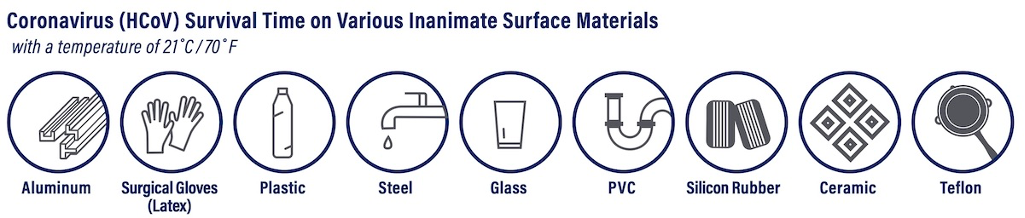
    A major research study published in the Journal of Hospital Infection tested human coronavirus strains for longevity on various material surfaces and found that the virus lasted only two to eight hours on aluminum, but days on many other materials.

    We encourage you to access the full white paper on this topic which can be found at AEC.org.

    An infographic consisting of icons depicting various surface materials (aluminum, surgical gloves, plastic, steel, glass, PVC, silicon rubber, ceramic, and Teflon) with the headline, “Coronavirus (HCoV) Survival Time on Various Inanimate Surface Materials”

    Are you familiar with Moore’s Law?

    Gordon Moore, the co-founder of Intel, made a striking observation: the number of transistors on a dense integrated circuit doubles about every two years. In essence, as computer hardware grows more complex, it shrinks in size.

    Consider the evolution you’ve witnessed. The first bulky smartphone you bought in 2007 pales in comparison to the sleek, powerful device you carry today. The latest models are slimmer, yet larger and far more powerful in terms of energy-per-gram than their predecessors.

    Tech companies are always pushing for smaller, micro-sized innovations, and industrial OEMs must evolve with new technologies to compete.

    Microextrusions represent such an innovation, offering features, tolerances, and surface finishes once thought unachievable. This advancement gives design engineers the freedom to explore new component designs that improve functionality and performance over traditional extruded parts.

    We’ll now examine several consumer electronics components that utilize precision aluminum extrusions in their designs.

    CPU HEAT SINKS

    The CPU, or central processing unit, serves as the computer’s brain, executing arithmetic, logic, and I/O operations from other computer components’ instructions. The intense activity can cause CPUs to overheat, necessitating a heat sink for heat dissipation and cooling.

    Microextrusion technology enables the creation of even more efficient heat sinks. Maintaining an optimal CPU temperature is crucial for sustained performance.

    MOTHERBOARDS

    Motherboards utilize microextrusions for ethernet and USB port housings, as well as for DVI, HDMI, and audio in/out ports.

    This technology is vital for the CPU socket too, often incorporating a latch to secure the CPU and connect it to the motherboard.

    GRAPHICS PROCESSING UNITS

    High-end graphics cards, like NVIDIA’s Titan V, feature an aluminum casing that not only protects the GPU’s internals but also adds an aesthetic appeal.

    HARD DRIVE BAYS

    Modern hard drives come with mounting brackets and fit into an extruded aluminum bay within the computer case. This secures them during operation, which is crucial as hard drives are sensitive to physical shocks.

    : A close-up view of a computer circuit board of some kind, with various ports and exposed wires.

    LED PROFILE BAYS

    Microextruded profile bays serve as housings for LED lights, utilizing ultra-fine materials and plastics that not only allow the LEDs to emit light effectively but also offer protection from environmental elements.

    EXTRUDED ENCLOSURES

    Aluminum, a non-sparking, melt-resistant, and rust-proof metal, is ideal for enclosures, especially for consumer electronics that contain sensitive magnets. Its versatility allows customization to meet any product’s specific requirements.

    About Taber Extrusions

    Established in 1973, Taber Extrusions has been at the forefront of extruding rectangular billet, allowing for the production of large solid profiles up to 31 inches wide and hollows up to 29 inches. With the acquisition of a Gulfport, MS extrusion facility in 1995, Taber not only broadened its capabilities with a cutting-edge cast house and two additional presses but also enhanced its micro-extrusion and fabrication services.

    Today, Taber Extrusions has completed the addition of in-house friction stir-welding capabilities, and carries on their offering of extruded aluminum components, value-added machining services and raw material supply to the North American market – making them a vertically integrated supplier of FSW panels and assemblies never before seen in North America.

    Follow Taber Extrusions

    LINKEDIN: https://www.linkedin.com/company/8843183/

    FACEBOOK: https://www.facebook.com/taberextrusions/

    TWITTER: https://twitter.com/taberextrusions

    Interested in becoming a part of the Taber Team?

    Submit your resume to careers@taberextrusions.com.

    28 08, 2018

    Microextrusions for Consumer Electronics

    2018-08-28T19:36:35+00:00August 28th, 2018|

    Are you familiar with Moore’s Law?

    It’s an observation made by Gordon Moore, cofounder of Intel. It posits that the number of transistors in a dense integrated circuit doubles every two years. Put simply, this means that computer hardware, as it becomes more complex, also becomes smaller.

    You’ve seen it firsthand. Compare the bulky first smartphone you purchased back in 2007 to the shiny new smartphone you have in your pocket right now. It’s thinner, bigger, and packs WAY more energy-per-gram than it did a decade ago.

    As tech companies are in a constant race to make things micro-sized, industrial OEMS must seek out new technologies to keep up.

    Enter microextrusions – a recent process that delivers features, tolerances, and surface finishes previously believed to be impossible. Advancement in microextrusion allows design engineers the freedom to utilize component designs in microextrusion which enhance functionality and performance beyond normal extruded parts.

    Below, we outline some different aspects of consumer electronics that rely on precision aluminum extrusions in their designs.

    CPU HEAT SINKS

    The CPU (central processing unit) is akin to the brain of the computer – it performs the arithmetic, logic, and I/O operations based on the instructions from other computer components. This heavy workload leaves CPUs prone to overheating, and as such, require a heat sink to disperse heat and keep the component cool.

    Advancements in microextrusion technology allow for heat sink designs to disperse heat even more effectively. Keeping your CPU at a good operating temperature is essential for long-term performance!

    MOTHERBOARDS

    Microextrusions are used in motherboards to create housing for ethernet and USB ports, as well as housing for DVI, HDMI, and sound input and output ports.

    Microextrusions are also used for the crucial CPU socket, which often uses a latch to securely house the CPU and attach it to the motherboard.

    GRAPHICS PROCESSING UNITS

    Graphics cards, such as NVIDIA’s recent Titan V, are often housed in an aluminum shell to keep the internals of the GPU safe and secure (and it looks absolutely stunning to boot!).

    HARD DRIVE BAYS

    Most modern hard drives come with mounting brackets, and are housed in a computer case by sliding them through an extruded aluminum hard drive bay. This keeps them secure during operation – hard drives are very susceptible to damage from physical shock, so keeping them secure is important!

    LED PROFILE BAYS

    LED lights are often housed in microextruded profile bays – the extremely fine materials and plastics used to create it allow the LED lights to shine through while also keeping them protected from the environments.

    EXTRUDED ENCLOSURES

    Since consumer electronics often make use of sensitive magnets, aluminum is perfectly suited to house those components. This is because aluminum does not spark, melt, or rust, and can be customized to fit the need of any product.

    About Taber Extrusions

    Founded in 1973, Taber Extrusions originally pioneered a process for extruding rectangular billet which enables the company to extrude solid profiles up to 31 inches wide or hollows up to 29 inches. Taber expanded with the purchase of an extrusion facility in Gulfport, MS in 1995 which houses a new state of the art cast house, two additional presses, and a fabrication area that has been expanded multiple times. Taber continues to extrude billet in a wide range of alloys. and sizes.

    Taber Extrusions has recently enhanced its portfolio of services with the addition of ultra-precision aluminum extrusions®. Today, Taber Extrusions is proud of its full line up offering of extruded aluminum components, value-added machining services and raw material supply to the North American market.

    Follow Taber Extrusions

    LINKEDIN: https://www.linkedin.com/company/8843183/

    FACEBOOK: https://www.facebook.com/taberextrusions/

    TWITTER: https://twitter.com/taberextrusions

    Interested in becoming a part of the Taber Team?  Submit your resume to careers@taberextrusions.com.

    Go to Top